Anisole → 3-methyl-12-(4-methylpiperazin-1-yl)-6H-[1]benzothieno[2,3-b][1,5]benzodiazepine
Reaction equation

[NH2:1][C:2]1[CH:23]=[CH:22][CH:21]=[CH:20][C:3]=1[NH:4][C:5]1[S:9][C:8]2[CH:10]=[C:11]([CH3:14])[CH:12]=[CH:13][C:7]=2[C:6]=1[C:15](OCC)=O.[C:24]1(OC)[CH:29]=CC=CC=1>[Ti](Cl)(Cl)(Cl)Cl.CN1CCNCC1>[CH3:14][C:11]1[CH:12]=[CH:13][C:7]2[C:6]3[C:15]([N:1]4[CH2:24][CH2:29][N:4]([CH3:5])[CH2:3][CH2:2]4)=[N:1][C:2]4[CH:23]=[CH:22][CH:21]=[CH:20][C:3]=4[NH:4][C:5]=3[S:9][C:8]=2[CH:10]=1Participants
5
Reactant 2
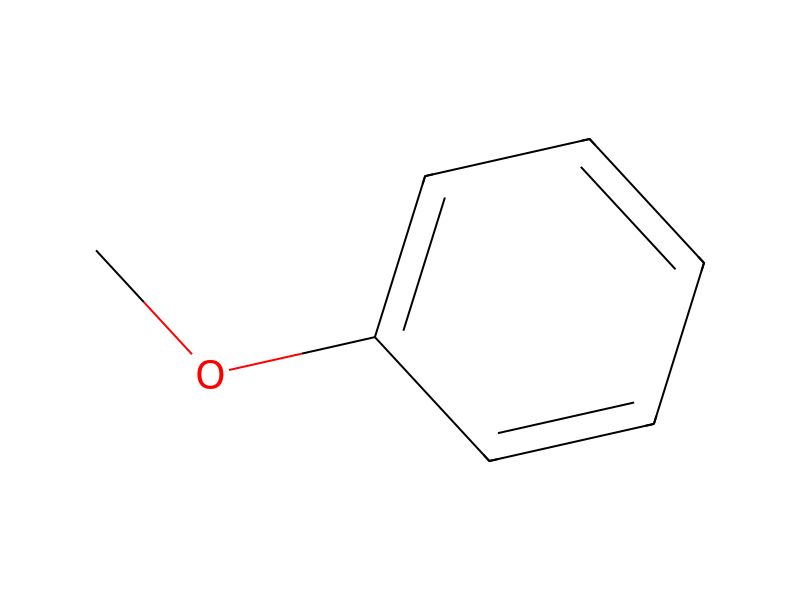

Product 1

Reagents, catalysts & solvents 2


Procedure
In the same manner as in Example 1 and using ethyl 2-(2-aminoanilino)-6-methylbenzo[b]thiophene-3-carboxylate (3.7 g), 1-methylpiperazine (80 ml), anisole (16 ml) and titanium tetrachloride (3 ml), 3-methyl-12-(4-methylpiperazin-1-yl)-6H-[1]benzothieno[2,3-b][1,5]benzodiazepine (1.4 g) was obtained.
Sources & evidence
- ORD record
- ord-52bba78a8f5843fa855f333b23871e63
- Source dataset
- uspto-grants-2001_08
- Patent number
- US06271225B1
Reaction notes
Loading…