Hydrochloric Acid → 5-(2-Bromophenyl)-1H-tetrazole
Reaction equation

[Br:1][C:2]1[CH:9]=[CH:8][CH:7]=[CH:6][C:3]=1[C:4]#[N:5].C([NH:12]CC)C.[NH2:15][NH2:16].S.Cl.N([O-])=O.[Na+]>C(O)C>[Br:1][C:2]1[CH:9]=[CH:8][CH:7]=[CH:6][C:3]=1[C:4]1[NH:5][N:12]=[N:16][N:15]=1Participants

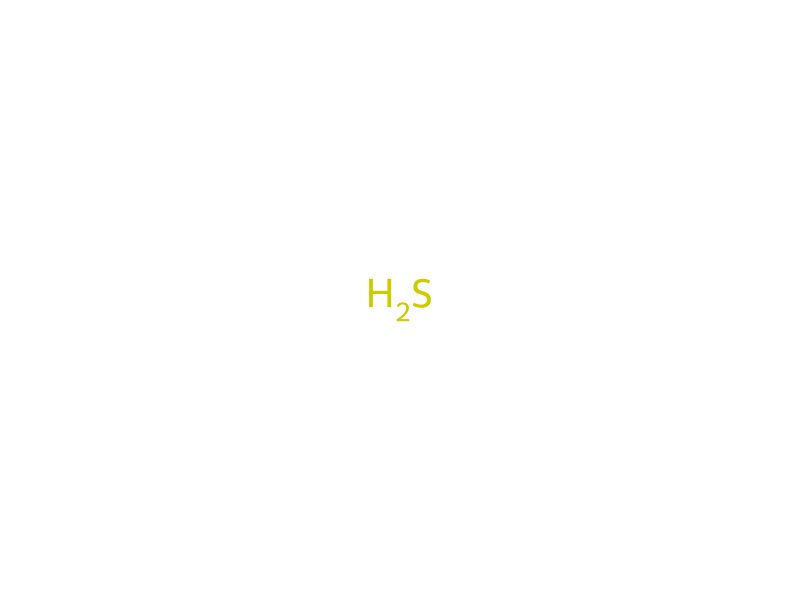






Conditions
- Temperature
- 60 °C
Procedure
Into a mixture of 5.0 g (27.5 mmol) of 2-bromobenzonitrile, 30 g of ethanol, 1.10 g (15 mmol) of diethylamine and 1.76 g (55 mmol) of anhydrous hydrazine was bubbled 0.58 g (17 mmol) of hydrogen sulfide gas at room temperature, followed by stirring at 60° C. for 22 hours. The resulting reaction mixture was concentrated, dried and dissolved in 110 g of N,N-dimethylformamide and 50.3 g (138 mmol) of 10% hydrochloric acid added thereto, followed by cooling to 5° C. Then, 19.0 g (55 mmol) of 20% sodium nitrite was added dropwise thereto, followed by stirring at 0-5° C. for 2 hours. The resulting reaction mixture was filtered to remove undissolved matters. The filtrate was analyzed by liquid chromatography with an internal standard, and it was found that 4.88 g (21.7 mmol, 79% yield) of 5-(2-bromophenyl)tetrazole was contained.
Workup
- customThe resulting reaction mixture
- concentrationwas concentrated
- customdried
- dissolutiondissolved in 110 g of N,N-dimethylformamide
- temperatureby cooling to 5° C
- stirringby stirring at 0-5° C. for 2 hours
- customThe resulting reaction mixture
- filtrationwas filtered
- customto remove undissolved matters
Sources & evidence
- ORD record
- ord-f8b4abbc4f8a49ea9642b526e0fc67dd
- Source dataset
- uspto-grants-2001_08
- Patent number
- US06277998B1
Reaction notes
Loading…