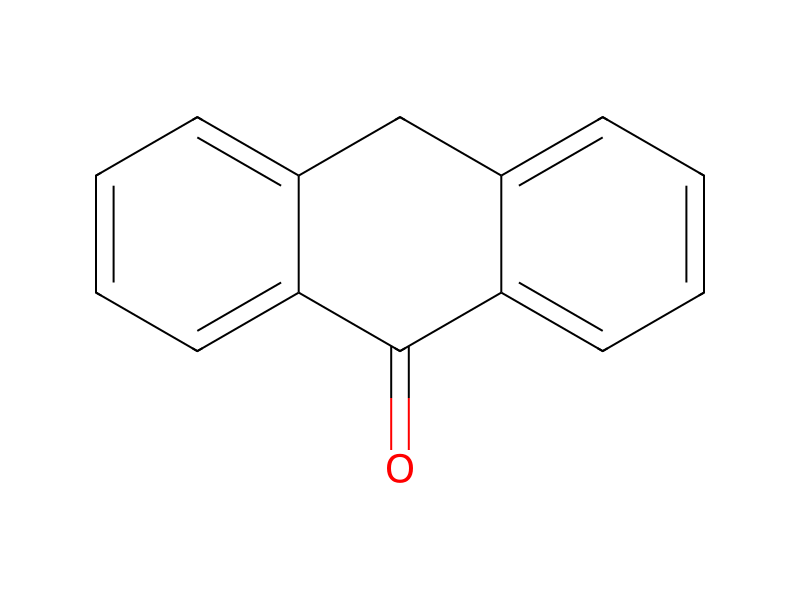
Acetone → Anthrone
Reaction equation

[C:1]([O:4][CH2:5][CH3:6])(=[O:3])[CH3:2].[CH3:7][C:8]([CH3:10])=[O:9].[CH2:11]([OH:13])[CH3:12].[CH3:14][OH:15].[CH:16]1[CH:21]=[CH:20][CH:19]=[CH:18][CH:17]=1>C(Cl)(Cl)Cl.O.CCCCCC.C(Cl)(Cl)(Cl)Cl>[CH:16]1[CH:21]=[C:12]2[C:11]([C:1]([OH:3])([OH:4])[C:2](=[O:9])[C:19]2=[CH:18][CH:17]=1)=[O:13].[CH:6]1[C:5]2[C:14](=[O:15])[C:21]3[C:16](=[CH:17][CH:18]=[CH:19][CH:20]=3)[CH2:12][C:11]=2[CH:10]=[CH:8][CH:7]=1Participants
11










Procedure
The individual BBM-1675 components show solubility and color reactions similar to each other. For example, they are soluble in chloroform, ethyl acetate, acetone, ethanol and methanol, slightly soluble in benzene and water, and insoluble in n-hexane and carbon tetrachloride. They give positive reactions with ferric chloride, Ehrlich and Tollen's, reagents but negative responses in Sakaguchi, ninhydrin and anthrone tests.
Sources & evidence
- ORD record
- ord-c6f9759f9f94466e82bc231c698d9836
- Source dataset
- uspto-grants-1987_06
- Patent number
- US04675187
Reaction notes
Loading…