Propionic Acid → Propionic anhydride
Reaction equation

C1(P([C:14]2[CH:19]=[CH:18]C=CC=2)C2C=CC=CN=2)C=CC=CC=1.C1(C)C=CC(S(O)(=O)=[O:27])=CC=1.[C:31]([OH:35])(=[O:34])[CH2:32][CH3:33]>C([O-])(=O)C.[Pd+2].C([O-])(=O)C.C(N)CCC>[C:31]([O:35][C:14](=[O:27])[CH2:19][CH3:18])(=[O:34])[CH2:32][CH3:33]Participants
6
Reactant 3
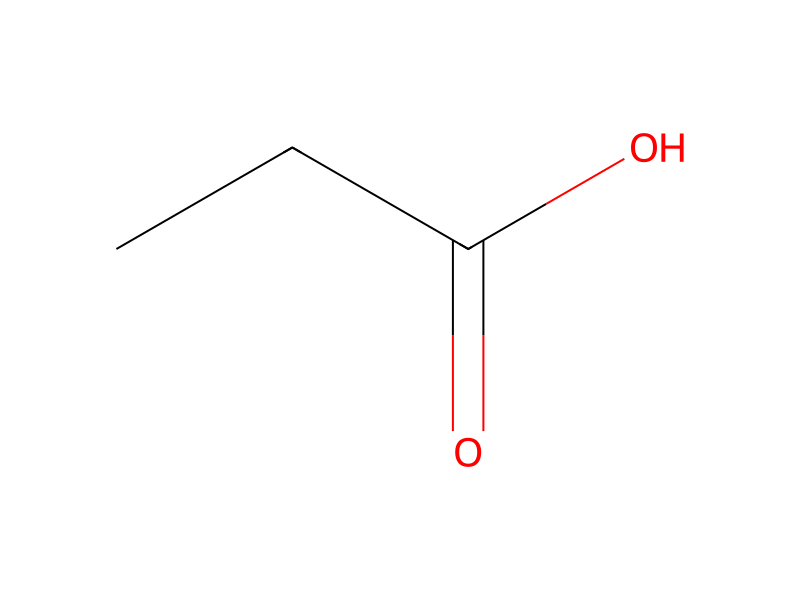


Product 1

Reagents, catalysts & solvents 2


Conditions
- Temperature
- 110 °C
Procedure
A 250 ml stainless steel, magnetically stirred autoclave was filled with 0.1 mmol palladium(II) acetate, 5 mmol bisphenyl(2-pyridyl)phosphine, 4 mmol p-toluenesulfonic acid, 50 ml propionic acid and 10 ml n-butylamine. Air was then evacuated from the autoclave. The autoclave was then pressurized with 30 bar carbon monoxide and 20 bar ethene, sealed and heated to 110° C. After 11/2 hours reaction time, a sample of the contents of the autoclave was withdrawn and analyzed by gas-liquid chromatography. The analysis revealed that N-butyl propionamide had been formed with a selectivity (based on amine) of >95%, together with propionic anhydride. The mean conversion rate was calculated to be 1,500 moles ethene/gram atom Pd/hour.
Workup
- customAir was then evacuated from the autoclave
- customsealed
- customAfter 11/2 hours reaction time
- customa sample of the contents of the autoclave was withdrawn
Sources & evidence
- ORD record
- ord-5b9af5dcaea641faa8edc068399badbb
- Source dataset
- uspto-grants-1992_07
- Patent number
- US05128475
Reaction notes
Loading…