Hydrochloric Acid → Methyl 3-(5-bromothiophen-2-yl)-3-oxopropanoate
Reaction equation

[H-].[Na+].[C:3](=[O:8])([O:6][CH3:7])OC.[C:9]([C:12]1[S:13][C:14]([Br:17])=[CH:15][CH:16]=1)(=[O:11])[CH3:10].Cl>C1COCC1.O>[Br:17][C:14]1[S:13][C:12]([C:9](=[O:11])[CH2:10][C:3]([O:6][CH3:7])=[O:8])=[CH:16][CH:15]=1Participants
7






Procedure
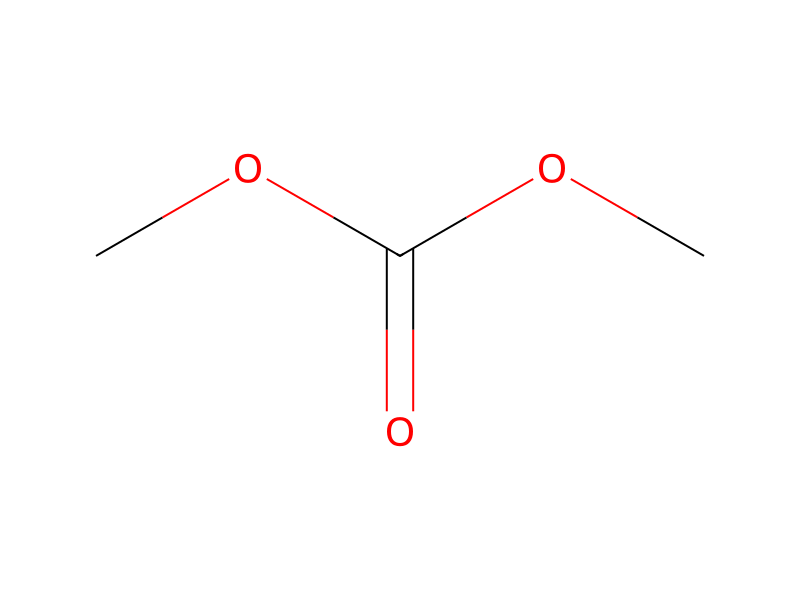
Sodium hydride (1.95 g of 60% dispersion in oil, 0.045 mol), dimethyl carbonate (50 mL) and THF (40 mL) were added to a flame dried flask equipped with stirrer and dropping funnel. 2-Acetyl-5-bromothiophene (5.0 g, 0.024 mol) in 20 mL THF was added dropwise. The mixture was then heated at reflux for 2 hours, then poured into 250 mL of water, acidified to pH 2.0 with 1N HCl and extracted 3×200 mL ether. The organic layers were combined, dried (MgSO4) and stripped to yield 6.4 g (99%) of present title product as an oil; tlc Rf 0.42 (CHCl3).
Workup
- customdried flask
- customequipped with stirrer
- temperatureThe mixture was then heated
- temperatureat reflux for 2 hours
- extractionextracted 3×200 mL ether
- dry with materialdried (MgSO4)
Sources & evidence
- ORD record
- ord-ac266a476b4c41ddb6eb57865d3c332b
- Source dataset
- uspto-grants-1992_07
- Patent number
- US05130379
Reaction notes
Loading…