Ammonia → 3-(2-Chloroethyl)-2-methyl-9-hydroxy-4H-pyrido[1,2-a]pyrimidin-4-one (Paliperidone)
Reaction equation

P(Cl)(Cl)([Cl:3])=O.[NH2:6][C:7]1[C:12]([OH:13])=[CH:11][CH:10]=[CH:9][N:8]=1.[C:14]([CH:17]1[CH2:22][CH2:21]O[C:18]1=[O:19])(=O)[CH3:15].N>O>[OH:13][C:12]1[C:7]2=[N:6][C:14]([CH3:15])=[C:17]([CH2:22][CH2:21][Cl:3])[C:18](=[O:19])[N:8]2[CH:9]=[CH:10][CH:11]=1Participants
6





Procedure
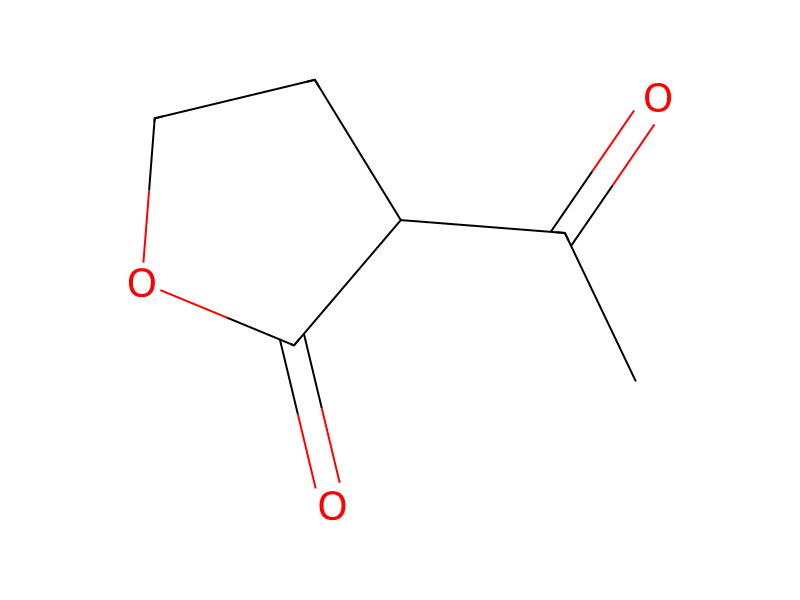
To a mixture comprising phosphorus oxychloride (2520 parts) and 2-amino-3-hydroxy pyridine (300 parts) was charged 2-acetyl butyrolactone (348 parts). The resulting mixture was heated to 60° to 65° C. and stirred for 10 hours at the same temperature. The reaction mass was cooled and poured into a mixture of ice and water to produce a quenched reaction mass. The pH was adjusted (pH meter) to 5.5 using aqueous ammonia. The resulting solid was filtered and washed with water followed by drying in vacuum oven to yield 235 parts of 9-hydroxy-3-(2-chloroethyl)-2-methyl-4H-pyrido[1,2-a]pyrimidin-4-one with a purity (HPLC) of 99%.
Workup
- temperatureThe resulting mixture was heated to 60° to 65° C.
- temperatureThe reaction mass was cooled
- customto produce
- customa quenched reaction mass
- filtrationThe resulting solid was filtered
- washwashed with water
- customby drying in vacuum oven
Sources & evidence
- ORD record
- ord-1a154ee9c0f841f080790c96f41ecd69
- Source dataset
- uspto-grants-2011_12
- Patent number
- US08071767B2
Reaction notes
Loading…