1,3-Dibromobenzene → HCID 59442696, compound
Reaction equation

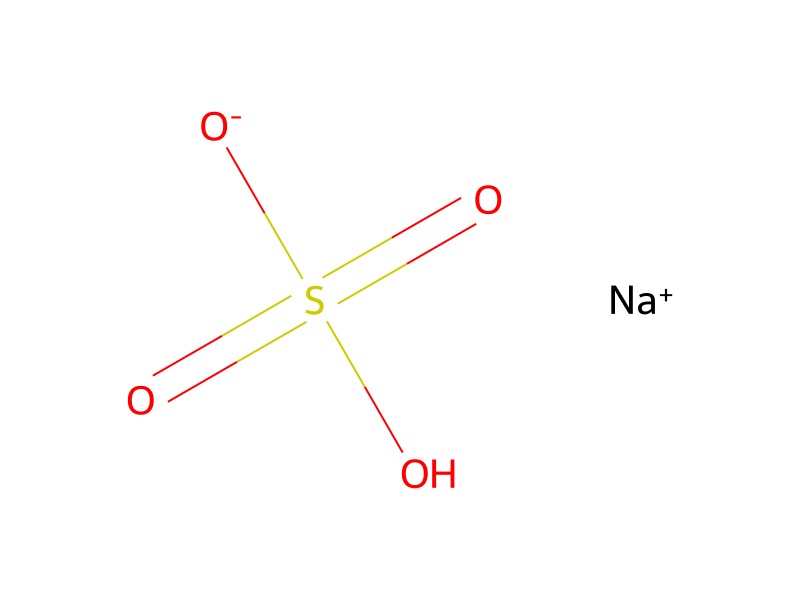
Br[C:2]1[CH:7]=[CH:6][CH:5]=[C:4]([Br:8])[CH:3]=1.C([Li])CCC.[O:14]=[C:15]1[CH2:20][CH2:19][C:18]([C:23]2[CH:28]=[CH:27][CH:26]=[CH:25][CH:24]=2)([C:21]#[N:22])[CH2:17][CH2:16]1.S([O-])(O)(=O)=O.[Na+]>C(OCC)C.C1COCC1>[Br:8][C:4]1[CH:3]=[C:2]([C:15]2([OH:14])[CH2:20][CH2:19][C:18]([C:23]3[CH:24]=[CH:25][CH:26]=[CH:27][CH:28]=3)([C:21]#[N:22])[CH2:17][CH2:16]2)[CH:7]=[CH:6][CH:5]=1Participants






Conditions
- Temperature
- 0 °C
Procedure
8.00 g of 1,3-dibromobenzene were dissolved in 200 ml of dry diethyl ether and 22.61 ml of an n-butyllithium solution (1.5 M in n-hexane) were added dropwise between 0° C. and 5° C. The reaction mixture was stirred for 5 min at 0° C. Subsequently a solution of 6.76 g of 4-oxo-1-phenylcyclohexanecarbonitrile in 70 ml of dry THF was injected at −70° C. The reaction mixture was allowed to warm to room temperature and was stirred for 30 min at room temperature. The reaction mixture was then poured onto 200 ml of a saturated aqueous sodium hydrogensulfate solution, and the phases were separated and the aqueous phase extracted with 200 ml of EA. The combined organic phases were dried over magnesium sulfate and the solvent was removed in vacuo. The residue was stirred with 70 ml of HEP. 7.50 g of the title compound were obtained as a resinous, partially crystallizing solid.
Workup
- customwas injected at −70° C
- temperatureto warm to room temperature
- stirringwas stirred for 30 min at room temperature
- customthe phases were separated
- extractionthe aqueous phase extracted with 200 ml of EA
- dry with materialThe combined organic phases were dried over magnesium sulfate
- customthe solvent was removed in vacuo
- stirringThe residue was stirred with 70 ml of HEP
Sources & evidence
- ORD record
- ord-ca0a7c598ead4c46911efde824819c58
- Source dataset
- uspto-grants-2011_12
- Patent number
- US08076324B2
Reaction notes
Loading…