Dichloromethane → Carbazole, 9-(3-(dimethylamino)propyl)-
Reaction equation

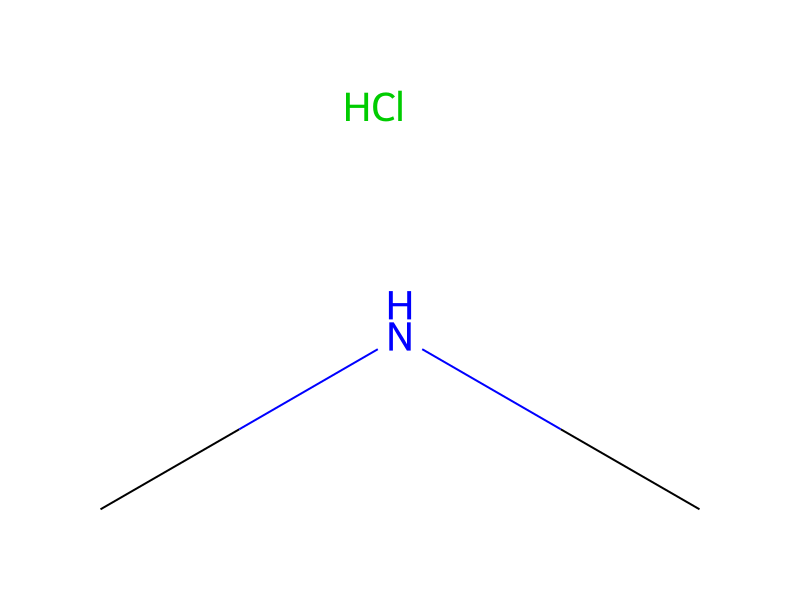
[H-].[Na+].Cl.[CH3:4][NH:5][CH3:6].Br[CH2:8][CH2:9][CH2:10][N:11]1[C:23]2[CH:22]=[CH:21][CH:20]=[CH:19][C:18]=2[C:17]2[C:12]1=[CH:13][CH:14]=[CH:15][CH:16]=2.C(Cl)Cl>CN(C=O)C.CO>[CH:22]1[C:23]2[N:11]([CH2:10][CH2:9][CH2:8][N:5]([CH3:6])[CH3:4])[C:12]3[C:17](=[CH:16][CH:15]=[CH:14][CH:13]=3)[C:18]=2[CH:19]=[CH:20][CH:21]=1Participants






Procedure
A 250-mL round-bottomed flask was charged with NaH (5.6 g, 140.00 mmol, 4.00 equiv, 60%) in DMF (100 mL). To this was added dimethylamine hydrochloride (4.23 g, 52.22 mmol, 1.50 equiv) in DMF (50 mL) at room temperature. To this mixture 9-(3-bromopropyl)-9H-carbazole (10 g, 34.70 mmol, 1.00 equiv) was added and the resulting mixture was stirred at room temperature for 4 hours. The reaction progress was monitored by TLC (DCM:MeOH=10:1). Upon completion, the reaction was then quenched by the addition of ice/salt (100 mL). The resulting mixture was extracted with ethyl acetate (3×50 mL). Combined organic layers were dried over anhydrous sodium sulfate, filtered and concentrated on a rotary evaporator affording 3-(9H-carbazol-9-yl)-N,N-dimethylpropan-1-amine as yellow oil (7.37 g, 80%).
Workup
- customUpon completion, the reaction was then quenched by the addition of ice/salt (100 mL)
- extractionThe resulting mixture was extracted with ethyl acetate (3×50 mL)
- dry with materialCombined organic layers were dried over anhydrous sodium sulfate
- filtrationfiltered
- concentrationconcentrated on a rotary evaporator
Sources & evidence
- ORD record
- ord-74d91b249cd54b32b0f2a06093a10b46
- Source dataset
- uspto-grants-2011_12
- Patent number
- US08080566B1
Reaction notes
Loading…