Piperazine → HCID 67083942, compound
Reaction equation

C1CNCCN1.Cc1ccc(Nc2c(C#N)nnc3cc(Br)ccc23)c(F)c1>CC(=O)N(C)C.CC(C)(C)[O-].CC(C)c1cc(C(C)C)c(-c2ccccc2P(C2CCCCC2)C2CCCCC2)c(C(C)C)c1.O=C(/C=C/c1ccccc1)/C=C/c1ccccc1.O=C(/C=C/c1ccccc1)/C=C/c1ccccc1.O=C(/C=C/c1ccccc1)/C=C/c1ccccc1.[Na+].[Pd].[Pd]>Cc1ccc(Nc2c(C#N)nnc3cc(N4CCNCC4)ccc23)c(F)c1Participants
Reactant 2


Product 1

Reagents, catalysts & solvents 4



Conditions
- Temperature
- 100 °C
Procedure
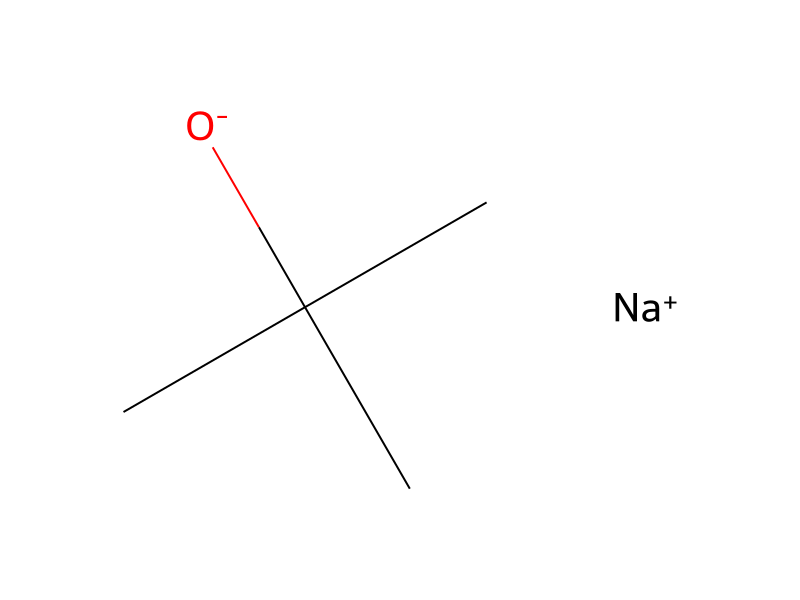
A 100 mL flask was charged with 7-bromo-4-(2-fluoro-4-methylphenylamino)cinnoline-3-carbonitrile (0.64 g, 1.79 mmol), Piperazine (0.631 ml, 8.06 mmol), Tris(dibenzylideneacetone)dipalladium (0) (0.131 g, 0.14 mmol), 2-Dicyclohexylphosphino-2',4',6'-tri-iso- propyl-1,1'-biphenyl (0.128 g, 0.27 mmol) and Sodium tert-butoxide (0.548 ml, 4.48 mmol). The mixture was suspended in DMA (25.6 ml) and the reaction mixture was stirred at 100 °C for 30min. The reaction mixture was cooled to rt, diluted with DCM/MeOH (10:1) and filtered over a pad of celite. The filterate was concentrated under reduced pressure, adsorbed onto silica gel and flash chromatography using DCM to DCM/MeOH/NH4OH (10:1:0.1) provided the desired compound as a light orange solid.
Sources & evidence
- ORD record
- ord-05542745a3df403aa88ae927045679bd
- Source dataset
- 750 AstraZeneca ELN dataset
- Original link
- View source
Reaction notes
Loading…