Pyridine → HCID 58247781, compound
Reaction equation

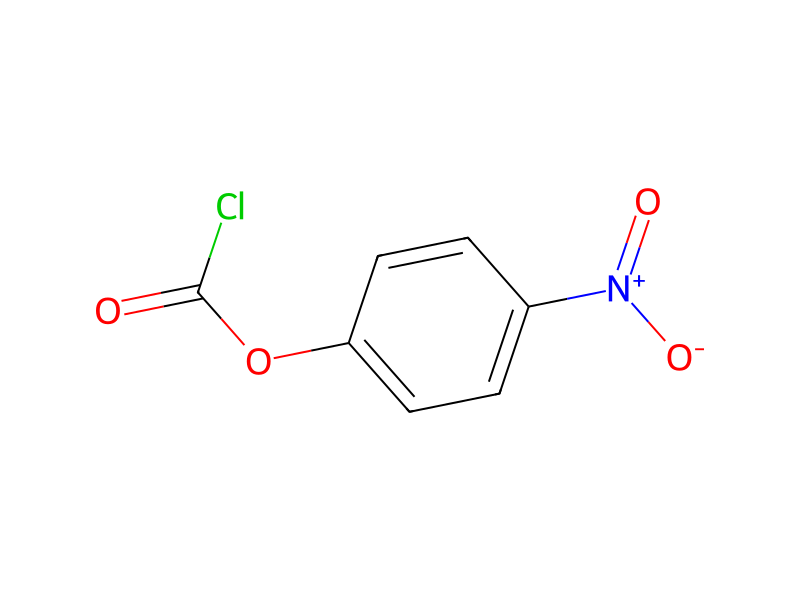
[NH2:1][C:2]1[CH:3]=[C:4]([CH:9]=[CH:10][N:11]=1)[C:5]([O:7][CH3:8])=[O:6].[N:12]1[CH:17]=CC=CC=1.ClC(OC1C=CC([N+]([O-])=O)=CC=1)=O.[OH2:31].[NH2:32]N>O1CCCC1.ClCCl>[NH:12]([C:17]([NH:1][C:2]1[CH:3]=[C:4]([CH:9]=[CH:10][N:11]=1)[C:5]([O:7][CH3:8])=[O:6])=[O:31])[NH2:32]Participants






Procedure
To a solution of methyl 2-aminoisonicotinate (5.00 g, 32.9 mmol) and pyridine (3.90 g, 49.3 mmol) in anhydrous tetrahydrofuran (100 mL) and dichloromethane (100 mL) was added 4-nitrophenyl chloroformate (7.95 g, 39.4 mmol) at 0° C. The resulting solution was stirred for 1 hour at ambient temperature and filtered. The solid was washed with tetrahydrofuran (30 mL) and concentrated in vacuo to dryness. The residue was dissolved in tetrahydrofuran (40 mL), followed by the addition of hydrazine monohydrate (6.50 mL, 134.00 mmol). The mixture was stirred for 17 hours at ambient temperature and filtered. The solid was washed with water (20 mL) and ethyl acetate (20 mL) then dried in vacuo to give methyl 2-(hydrazinecarboxamido)isonicotinate as a yellowish solid (4.05 g, 59%): MS (ES+) m/z 211.1 (M+1).
Workup
- filtrationfiltered
- washThe solid was washed with tetrahydrofuran (30 mL)
- concentrationconcentrated in vacuo to dryness
- dissolutionThe residue was dissolved in tetrahydrofuran (40 mL)
- stirringThe mixture was stirred for 17 hours at ambient temperature
- filtrationfiltered
- washThe solid was washed with water (20 mL) and ethyl acetate (20 mL)
- customthen dried in vacuo
Sources & evidence
- ORD record
- ord-6e8a1a005b584eafb9ebd17fb96ac81b
- Source dataset
- uspto-grants-2015_11
- Patent number
- US09187426B2
Reaction notes
Loading…