Potassium Carbonate → HCID 178493137, compound
Reaction equation

Br[C:2]1[CH:9]=[CH:8][C:5]([C:6]#[N:7])=[CH:4][CH:3]=1.C([O-])(=O)C.[K+].[CH3:15][O:16][C:17]1[CH:22]=[CH:21][N:20]=[C:19]([CH2:23][CH2:24][C:25]2[NH:34][C:28]3=[N:29][CH:30]=[C:31](I)[CH:32]=[C:27]3[N:26]=2)[CH:18]=1.C(=O)([O-])[O-].[K+].[K+].[Cl-].[Li+]>O1CCOCC1.O.C1(P(C2C=CC=CC=2)[C-]2C=CC=C2)C=CC=CC=1.[C-]1(P(C2C=CC=CC=2)C2C=CC=CC=2)C=CC=C1.[Fe+2].C1C=CC(P(C2C=CC=CC=2)[C-]2C=CC=C2)=CC=1.C1C=CC(P(C2C=CC=CC=2)[C-]2C=CC=C2)=CC=1.Cl[Pd]Cl.[Fe+2].[Pd].C1(P(C2C=CC=CC=2)C2C=CC=CC=2)C=CC=CC=1.C1(P(C2C=CC=CC=2)C2C=CC=CC=2)C=CC=CC=1.C1(P(C2C=CC=CC=2)C2C=CC=CC=2)C=CC=CC=1.C1(P(C2C=CC=CC=2)C2C=CC=CC=2)C=CC=CC=1>[CH3:15][O:16][C:17]1[CH:22]=[CH:21][N:20]=[C:19]([CH2:23][CH2:24][C:25]2[NH:34][C:28]3=[N:29][CH:30]=[C:31]([C:2]4[CH:9]=[CH:8][C:5]([C:6]#[N:7])=[CH:4][CH:3]=4)[CH:32]=[C:27]3[N:26]=2)[CH:18]=1Participants
Reactant 5




Product 1

Reagents, catalysts & solvents 5





Procedure
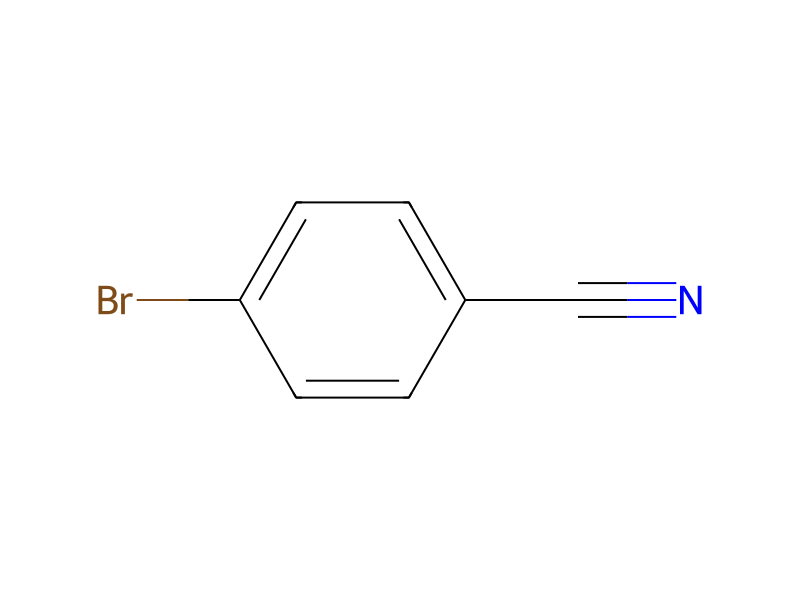
A mixture of 0.364 g of 4-bromobenzonitrile, 0.56 g of bis-(pinacolato)-diboron, 0.034 g of 1,1′-bis-(diphenylphosphino)-ferrocene, 0.044 g of [1,1′-bis(diphenylphosphino)ferrocene]palladium-di-chloride 0.588 g of potassium acetate in 20 ml of degassed dioxane are heated to reflux under N2 for 16 hours. To the resulting mixture 13 ml of degassed dioxane, 0.456 g of 2-[2-(4-methoxypyridin-2-yl)ethyl]-6-iodo-3H-imidazo[4,5-b]pyridine (example 7), 0.139 g of tetrakis(triphenylphosphine)-palladium(0) and a solution of 0.332 g of potassium carbonate and 0.102 g of lithium chloride in 10 ml of degassed water are added under N2. The mixture is heated to reflux under N2 for 30 hours and, after cooling, addition of water and adjusting the pH to 7, it is extracted three times with dichloromethane. The combined organic phases are dried over sodium sulfate, concentrated and the residue is chromatographed on a silica gel column (dichloromethane/methanol 25–20:1). Concentration of the chromatographically pure fractions and crystallisation from ethyl acetate gives 0.2 g of the title compound as a solid of m.p. 241–242° C. The mass spectrum shows the molecular peak MH+ at 356.4 Da.
Workup
- temperatureare heated
- temperatureto reflux under N2 for 16 hours
- temperatureThe mixture is heated
- temperatureto reflux under N2 for 30 hours
- temperatureafter cooling
- extractionis extracted three times with dichloromethane
- dry with materialThe combined organic phases are dried over sodium sulfate
- concentrationconcentrated
- customthe residue is chromatographed on a silica gel column (dichloromethane/methanol 25–20:1)
- customConcentration of the chromatographically pure fractions and crystallisation from ethyl acetate
Sources & evidence
- ORD record
- ord-376ebbba1d9a4386ac950e84df82b8ae
- Source dataset
- uspto-grants-2006_11
- Patent number
- US07138399B2
Reaction notes
Loading…