Hydrochloric Acid → HCID 15684553, compound
Reaction equation

[NH2:1][C:2]1[CH:7]=[CH:6][C:5]([CH2:8][CH2:9][C:10]2[N:11]=[C:12]3[CH:17]=[C:16]([CH3:18])[CH:15]=[CH:14][N:13]3[C:19]=2[CH3:20])=[CH:4][C:3]=1[OH:21].[N:22]#[C:23]Br.Cl.C(=O)([O-])[O-].[K+].[K+]>C(O)C.O.C(OCC)(=O)C>[CH3:20][C:19]1[N:13]2[CH:14]=[CH:15][C:16]([CH3:18])=[CH:17][C:12]2=[N:11][C:10]=1[CH2:9][CH2:8][C:5]1[CH:6]=[CH:7][C:2]2[N:1]=[C:23]([NH2:22])[O:21][C:3]=2[CH:4]=1Participants

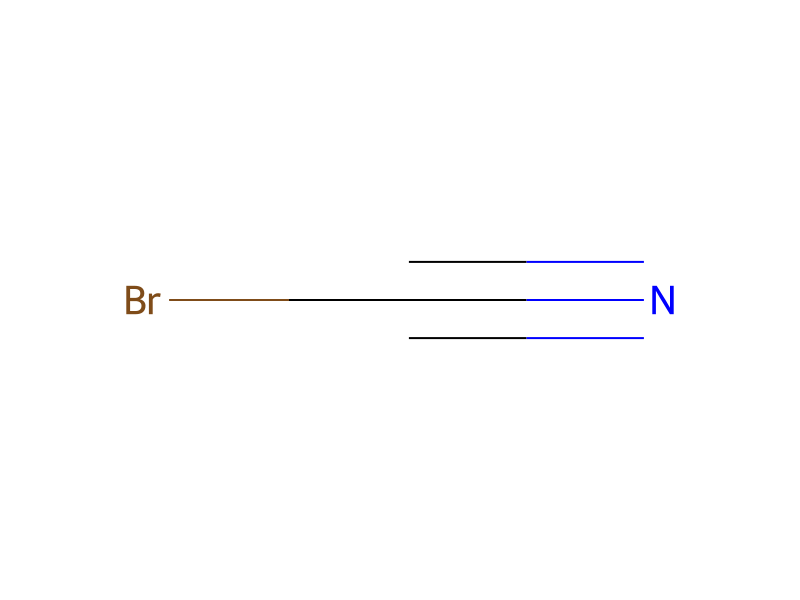






Procedure
A mixture of 2-[2-(4-amino-3-hydroxyphenyl)ethyl]-3,7-dimethylimidazo[1,2-a]pyridine (11.0 g) and cyanogenbromide (5.0 g) in ethanol (165 ml) was stirred for 100 minutes at ambient temperature. To the reaction mixture was added a solution of ethyl acetate and water, and the mixture was adjusted to pH 1.0 with 10% hydrochloric acid. The separated aqueous layer was adjusted to pH 8 with 20% aqueous potassium carbonate and the resulting precipitate was collected by filtration. The precipitate was subjected to a column chromatography on alumina eluting with a solution of chloroform and methanol (19:1 V/V). The fractions containing desired product were combined and evaporated to give 6-[2-(3,7-dimethylimidazo[1,2-a]pyridin-2-yl)ethyl]-2-aminobenzoxazole (7.45 g).
Workup
- filtrationthe resulting precipitate was collected by filtration
- additionThe fractions containing desired product
- customevaporated
Sources & evidence
- ORD record
- ord-92d030d8f1be457c910c2aabac0428f0
- Source dataset
- uspto-grants-1991_09
- Patent number
- US05047411
Reaction notes
Loading…