Potassium Carbonate → dimethyl 2-bromo-1-(but-2-ynyl)-1H-imidazole-4,5-dicarboxylate
Reaction equation

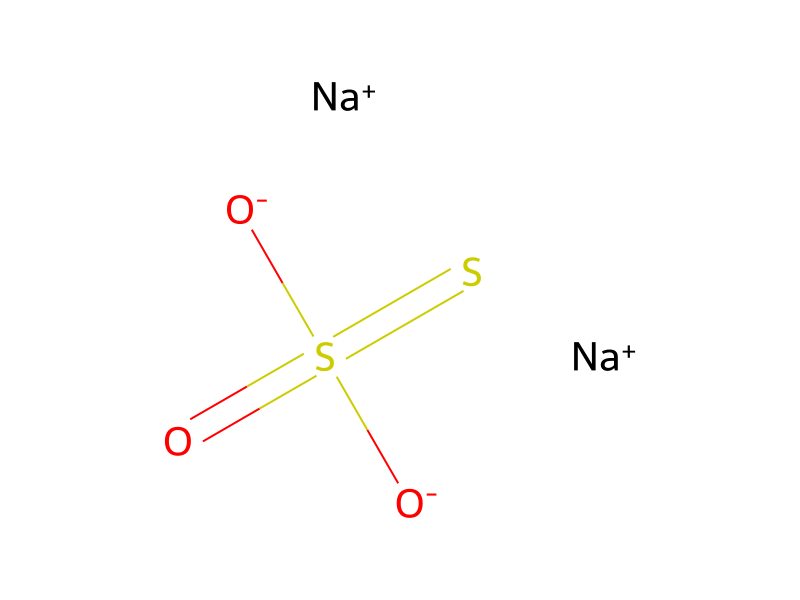
Br[CH2:2][C:3]#[C:4][CH3:5].[Br:6][C:7]1[NH:8][C:9]([C:16]([O:18][CH3:19])=[O:17])=[C:10]([C:12]([O:14][CH3:15])=[O:13])[N:11]=1.C(=O)([O-])[O-].[K+].[K+].S([O-])([O-])(=O)=S.[Na+].[Na+]>CN(C)C=O>[Br:6][C:7]1[N:11]([CH2:2][C:3]#[C:4][CH3:5])[C:10]([C:12]([O:14][CH3:15])=[O:13])=[C:9]([C:16]([O:18][CH3:19])=[O:17])[N:8]=1Participants
6
Reactant 4



Product 1

Reagents, catalysts & solvents 1

Procedure
3.06 g 1-bromo-2-butyne are added dropwise to a mixture of 6.00 g of dimethyl 2-bromo-1H-imidazole-4,5-dicarboxylate and 3.80 g of potassium carbonate in 40 ml of dimethylformamide. The mixture is stirred for 12 h at ambient temperature and then added to an aqueous saturated solution of sodium thiosulphate. The organic phase is separated off and the aqueous phase is extracted three times with ethyl acetate. The combined organic phases are dried over sodium sulphate, the solvent is removed and the residue is chromatographed over silica gel (cyclohexane/ethyl acetate 4:1>1:1).
Workup
- customThe organic phase is separated off
- extractionthe aqueous phase is extracted three times with ethyl acetate
- dry with materialThe combined organic phases are dried over sodium sulphate
- customthe solvent is removed
- customthe residue is chromatographed over silica gel (cyclohexane/ethyl acetate 4:1>1:1)
Sources & evidence
- ORD record
- ord-5a2150a398f34f779429e111ac0ebfed
- Source dataset
- uspto-grants-2008_07
- Patent number
- US07393847B2
Reaction notes
Loading…