Boron trifluoride → 4-Chloro-2-[(2-chlorophenyl)methyl]aniline
Reaction equation

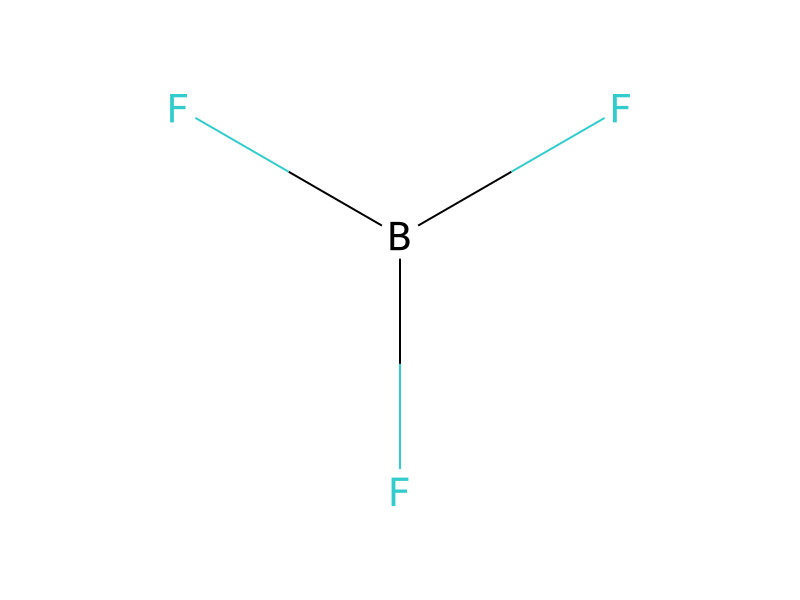
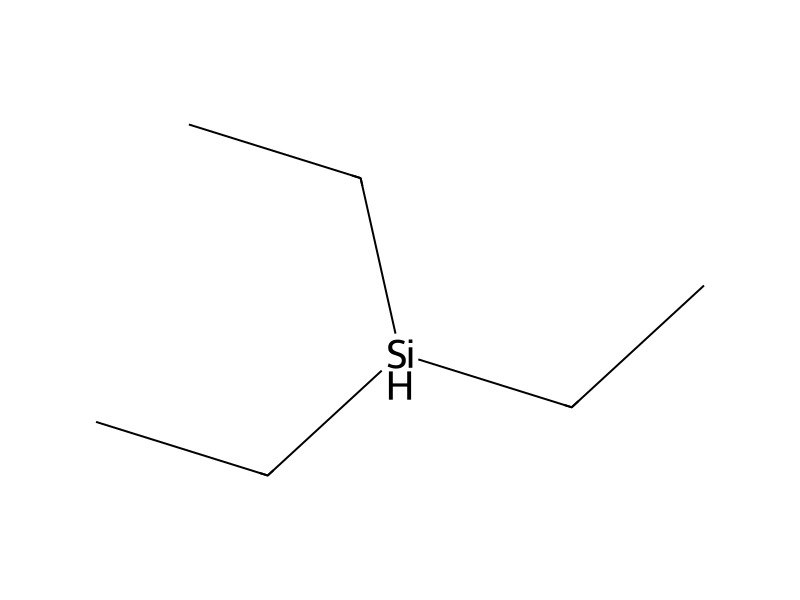
[NH2:1][C:2]1[CH:7]=[CH:6][C:5]([Cl:8])=[CH:4][C:3]=1[C:9]([C:11]1[CH:16]=[CH:15][CH:14]=[CH:13][C:12]=1[Cl:17])=O.C([SiH](CC)CC)C.FB(F)F.[OH-].[Na+]>ClCCl>[Cl:8][C:5]1[CH:6]=[CH:7][C:2]([NH2:1])=[C:3]([CH2:9][C:11]2[CH:16]=[CH:15][CH:14]=[CH:13][C:12]=2[Cl:17])[CH:4]=1Participants
6




Procedure
To 10 g of (2-amino-5-chlorophenyl) (2-chlorophenyl)methanone dissolved in 100 ml of dichloromethane are added at room temperature 18.7 ml of triethylsilane and 14.4 ml of trifluoroborane etherate, and the mixture is refluxed for 18 hours and then maintained at room temperature for 72 hours. The resulting mixture is hydrolysed with 2M sodium hydroxide solution, and the phases are separated by settling. The organic phase is dried over anhydrous sodium sulfate and concentrated. The residue is chromatographed on a column of silica gel, eluting with a cyclohexane/ethyl acetate solvent mixture to give 4.46 g of the expected product.
Workup
- temperaturethe mixture is refluxed for 18 hours
- customthe phases are separated
- dry with materialThe organic phase is dried over anhydrous sodium sulfate
- concentrationconcentrated
- customThe residue is chromatographed on a column of silica gel
- washeluting with a cyclohexane/ethyl acetate solvent mixture
Sources & evidence
- ORD record
- ord-720fdc28a21a43ea8fd3aa1590dd3528
- Source dataset
- uspto-grants-2008_07
- Patent number
- US07396958B2
Reaction notes
Loading…