Potassium Carbonate → HCID 54335254, compound
Reaction equation

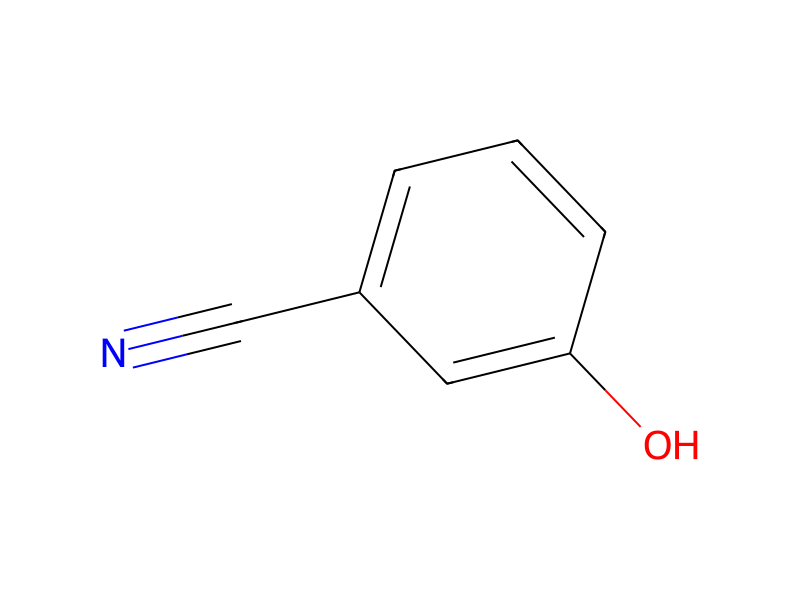
Cl[CH2:2][C@H:3]([NH:8][C:9](=[O:15])[O:10][C:11]([CH3:14])([CH3:13])[CH3:12])[CH2:4][CH:5]([CH3:7])[CH3:6].[C:16]([C:18]1[CH:19]=[C:20]([OH:24])[CH:21]=[CH:22][CH:23]=1)#[N:17].C(=O)([O-])[O-].[K+].[K+]>CN(C)C=O>[C:16]([C:18]1[CH:19]=[C:20]([CH:21]=[CH:22][CH:23]=1)[O:24][CH2:2][C@H:3]([NH:8][C:9](=[O:15])[O:10][C:11]([CH3:14])([CH3:13])[CH3:12])[CH2:4][CH:5]([CH3:7])[CH3:6])#[N:17]Participants
5
Reactant 3


Product 1

Reagents, catalysts & solvents 1

Procedure
2.35 g (9.97 mmol) of t-butyl (1R)-2-chloro-1-(2-methylpropyl)ethylcarbamate was reacted with 2.42 g (20.3 mmol)) of 3-cyanophenol and 2.72 g (19.7 mmol) of potassium carbonate in dimethylformamide. After the treatment in an ordinary manner, the title compound was obtained.
Sources & evidence
- ORD record
- ord-826b6dec0ba64686afc690c4b0e463b3
- Source dataset
- uspto-grants-2008_07
- Patent number
- US07396844B1
Reaction notes
Loading…