Hydrochloric Acid → 2,6-Dibromo-3,5-dimethoxypyridine
Reaction equation

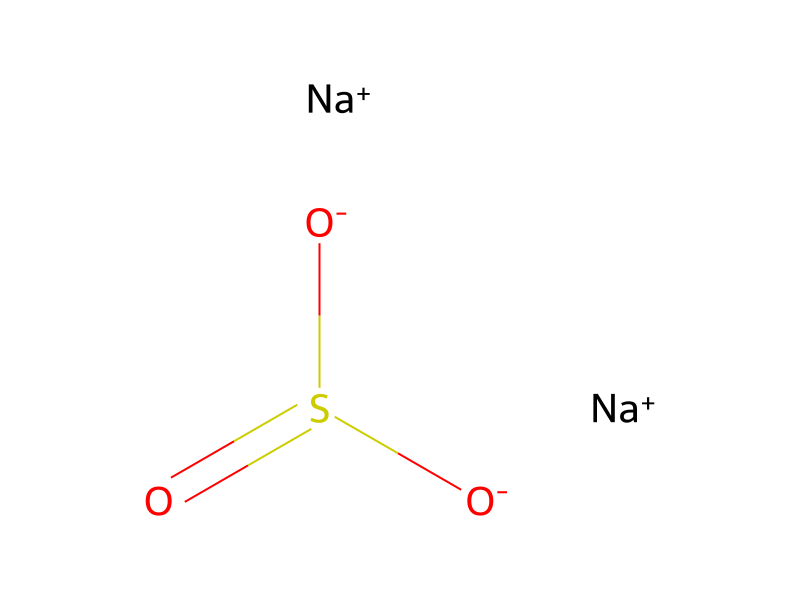
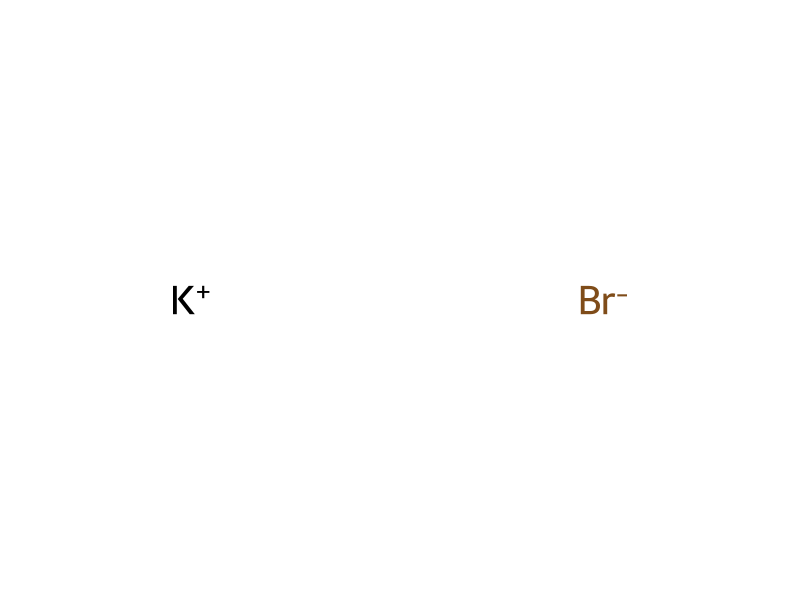
[CH3:1][O:2][C:3]1[CH:4]=[N:5][CH:6]=[C:7]([O:9][CH3:10])[CH:8]=1.Cl.[Br-:12].[K+].S(=O)(=O)(O)O.[Br:19]([O-])(=O)=O.[K+].S([O-])([O-])=O.[Na+].[Na+]>N1C=CC=CC=1.O>[Br:12][C:4]1[C:3]([O:2][CH3:1])=[CH:8][C:7]([O:9][CH3:10])=[C:6]([Br:19])[N:5]=1Participants
Reactant 6




Product 1

Reagents, catalysts & solvents 2


Procedure
A flask was charged with 3,5-dimethoxypyridine (13 g; 93 mmol), water (100 mL) and concentrated hydrochloric acid (8 mL; ˜1 eq.). To a separate flask was added potassium bromide (65 g.), water (200 mL) and sulfuric acid (69 g.). To a third flask was added potassium bromate (18 g.), and water (1.2 liters). All flasks were stirred until they were homogenous. To the flask with potassium bromate was added the solution containing potassium bromide, followed by the solution containing the pyridine compound. The reaction was stirred for ten minutes, and a solution of sodium sulfite was added until the orange color disappeared. The solid was collected by Buchner funnel, washed with water, dissolved in dichloromethane, dried over sodium sulfate, and evaporated to give 2,6-dibromo-3,5-dimethoxypyridine (23.3 g; 78 mmol).
Workup
- stirringThe reaction was stirred for ten minutes
- customThe solid was collected by Buchner funnel
- washwashed with water
- dissolutiondissolved in dichloromethane
- dry with materialdried over sodium sulfate
- customevaporated
Sources & evidence
- ORD record
- ord-992bfb0e8f604d099931c9193a121caf
- Source dataset
- uspto-grants-2014_09
- Patent number
- US08835464B2
Reaction notes
Loading…