Hydrochloric Acid → 1,2,3-Propanetricarboxylic acid, 1-phosphono-
Reaction equation

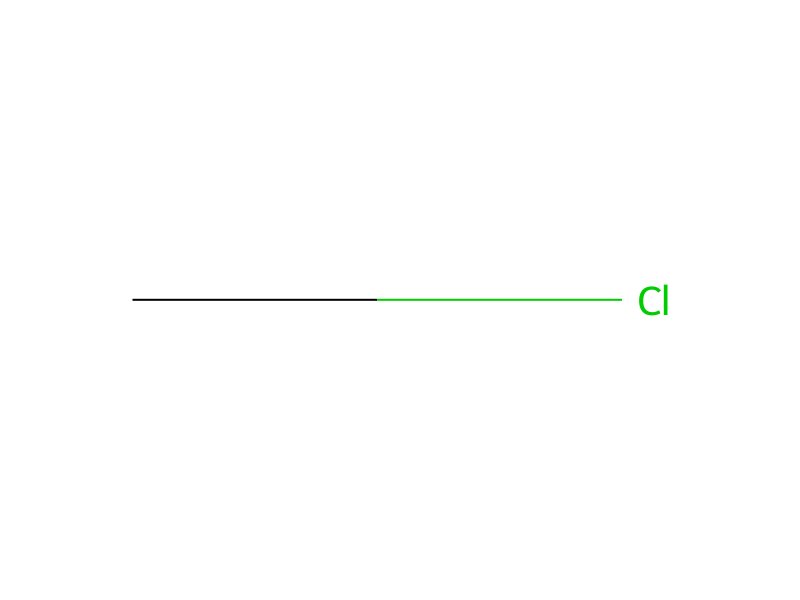
C[O:2][P:3]([CH:7]([C:18]([O:20]C)=[O:19])[CH:8]([C:14]([O:16]C)=[O:15])[CH2:9][C:10]([O:12]C)=[O:11])(=[O:6])[O:4]C.Cl.CCl>CO>[C:18]([CH:7]([P:3]([OH:4])(=[O:2])[OH:6])[CH:8]([C:14]([OH:16])=[O:15])[CH2:9][C:10]([OH:12])=[O:11])([OH:20])=[O:19]Participants
5
Reactant 3


Product 1

Reagents, catalysts & solvents 1

Procedure
The ester thus obtained and 100 cc of concentrated hydrochloric acid were heated to boiling temperature (which increased from 75° to 105° C) while methyl chloride and methanol originating from the hydrolysis were distilled off. After the hydrolysis was complete, the reaction solution was evaporated under vacuum to dryness (maximum base temperature = 120° C) and diluted with water so as to obtain a solution of 50% strength.
Workup
- distillationwere distilled off
- customthe reaction solution was evaporated under vacuum to dryness (maximum base temperature = 120° C)
- additiondiluted with water so as
- customto obtain a solution of 50% strength
Sources & evidence
- ORD record
- ord-059c3305a2cc4429914beaf6d52a8a9f
- Source dataset
- uspto-grants-1978_06
- Patent number
- US04093538
Reaction notes
Loading…