Benzyl Alcohol → HCID 86757920, compound
Reaction equation

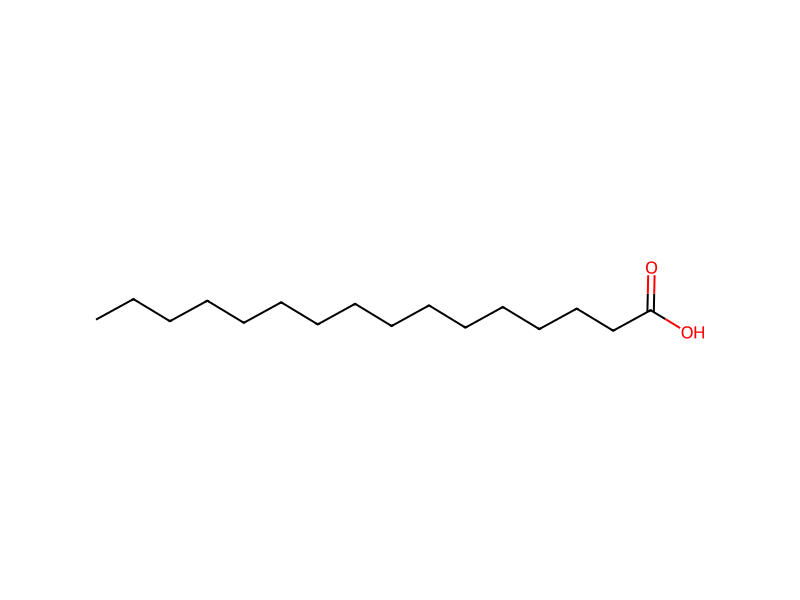
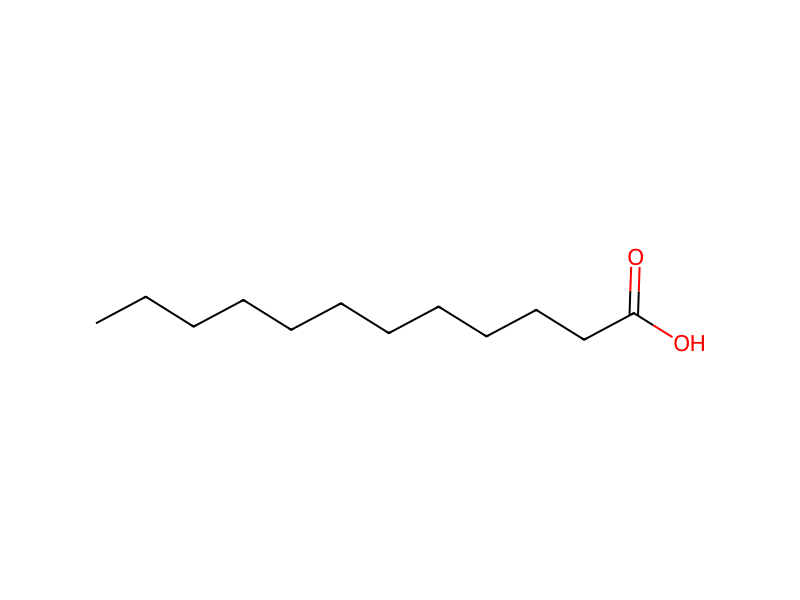
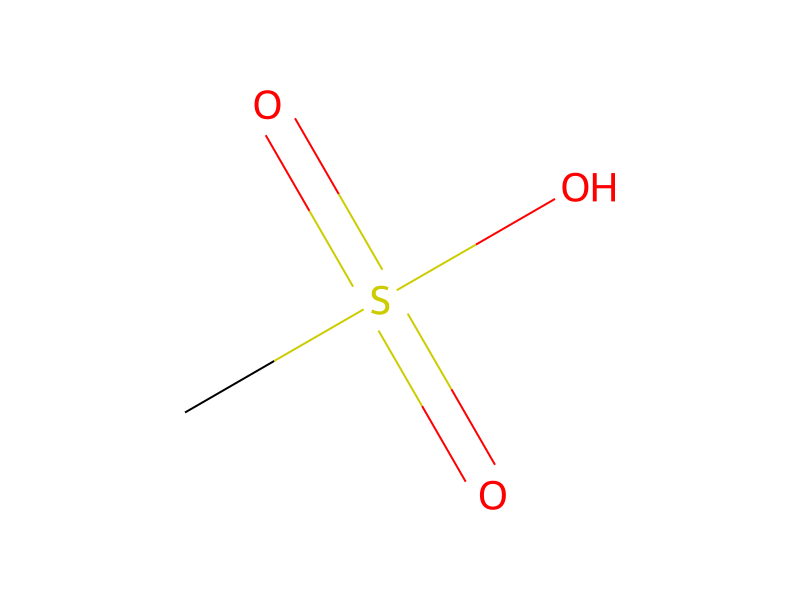
[CH2:1]([OH:8])[C:2]1[CH:7]=[CH:6][CH:5]=[CH:4][CH:3]=1.[C:9]([OH:26])(=[O:25])[CH2:10][CH2:11][CH2:12][CH2:13][CH2:14][CH2:15][CH2:16][CH2:17][CH2:18][CH2:19][CH2:20][CH2:21][CH2:22][CH2:23][CH3:24].[C:27]([OH:42])(=[O:41])[CH2:28][CH2:29][CH2:30][CH2:31][CH2:32][CH2:33][CH2:34][CH2:35][CH2:36][CH2:37][CH2:38][CH2:39][CH3:40].C(O)(=O)CCCCCCCCCCC.CS(O)(=O)=O.C([O-])([O-])=O.[K+].[K+]>CO.O>[C:9]([O:8][CH2:1][C:2]1[CH:7]=[CH:6][CH:5]=[CH:4][CH:3]=1)(=[O:25])[CH2:10][CH2:11][CH2:12][CH2:13][CH2:14][CH2:15][CH2:16][CH2:17][CH2:18][CH2:19][CH3:20].[C:27]([O-:42])(=[O:41])[CH2:28][CH2:29][CH2:30][CH2:31][CH2:32][CH2:33][CH2:34][CH2:35][CH2:36][CH2:37][CH2:38][CH2:39][CH3:40].[C:9]([O-:26])(=[O:25])[CH2:10][CH2:11][CH2:12][CH2:13][CH2:14][CH2:15][CH2:16][CH2:17][CH2:18][CH2:19][CH2:20][CH2:21][CH2:22][CH2:23][CH3:24]Participants






Conditions
- Temperature
- 65 °C
Procedure
Into a clean and dry reactor benzyl alcohol (1.26 mole ratio) was added to a mixture of palmitic acid, myristic acid and lauric acid (at mole ratios of 0.15/0.15/0.7 respectively). Nitrogen is charged to the flask and the flask was heated to 60-70° C. to melt the fatty acids. When the batch is a liquid the catalyst (methanesulfonic acid 70% in methanol) is added to the mixture (about 0.29% by weight). The temperature is then raised slowly to 160° C. distilling off water and refluxing benzyl alcohol. When the distillation either stops or slows considerably, apply vacuum slowly to approximately 30″. Maintain the conditions of heat and vacuum. When distillation of the water of reaction and residual benzyl alcohol slows appreciably or stops, sample to laboratory. The test acid vlaud should be a maximum of 3.0. When the acid value is a maximum of 3.0, the batch should be cooled to 70-80° C. and the vacuum should be released. The acid value of the sample is again tested. The batch is then neutralized with a solution of caustic potash-45 (45% potassium hydroxide—prepared from the acid value times the wt of the batch/1000) in an amount equal to about 10% by weight of the batch. The potash mixture is added to the batch, mixed at 70-80° C. for about 5 minutes. The agitator is then turned off and the batch is sampled after the water layer is removed. When the acid value of the sample is a maximum of 0.2, an amount of sodium sulfite or bisulfite (about 0.2% by weight of the sample) pre-mixed in water is added to the batch. The batch is washed three times and tested for acid value (0.2 maximum). A sample of the batch is then dried in a flask to 120° C., cooled and then tested to make certain that the appearance of the sample is clear, the color is within limits (APHA no greater than 100) and the odor is acceptable. Thereafter, the product is steam distilled at 100-120° C. Each hour the sample is compared to a standard. Dry the batch at 120° C. and 30″ vacuum. Cool to 25-40° C. and sample. If sample meets the following criteria: clear appearance, color APHA (100 maximum) and the acid value is a maximum of 0.2, then unload batch for use in final products.
Workup
- additionNitrogen is charged to the flask
- additionis added to the mixture (about 0.29% by weight)
- temperatureThe temperature is then raised slowly to 160° C.
- distillationdistilling off water
- temperaturerefluxing benzyl alcohol
- distillationWhen the distillation either stops
- temperatureMaintain the conditions
- temperatureof heat
- distillationWhen distillation of the water of reaction and residual benzyl alcohol
- temperaturethe batch should be cooled to 70-80° C.
- customprepared from the acid value times the wt of the batch/1000) in an amount equal to about 10% by weight of the batch
- additionmixed at 70-80° C. for about 5 minutes
- customis removed
- additionan amount of sodium sulfite or bisulfite (about 0.2% by weight of the sample) pre-mixed in water
- additionis added to the batch
- washThe batch is washed three times
- customA sample of the batch is then dried in a flask to 120° C.
- temperaturecooled
- distillationdistilled at 100-120° C
- customDry the batch at 120° C.
- temperatureCool to 25-40° C.
Sources & evidence
- ORD record
- ord-967a887588ad430b936c149f44fafe5c
- Source dataset
- uspto-grants-2002_04
- Patent number
- US06365629B1
Reaction notes
Loading…