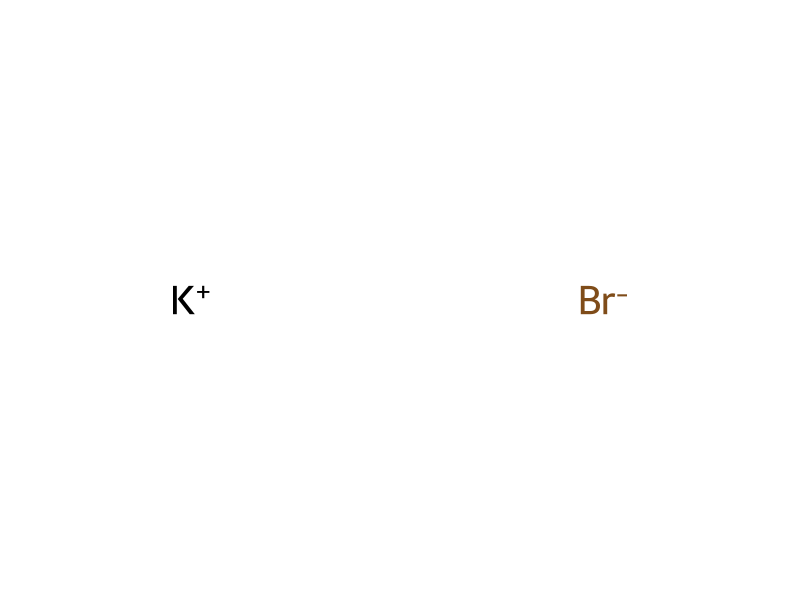
Potassium Bromide → HCID 87301037, compound
Reaction equation

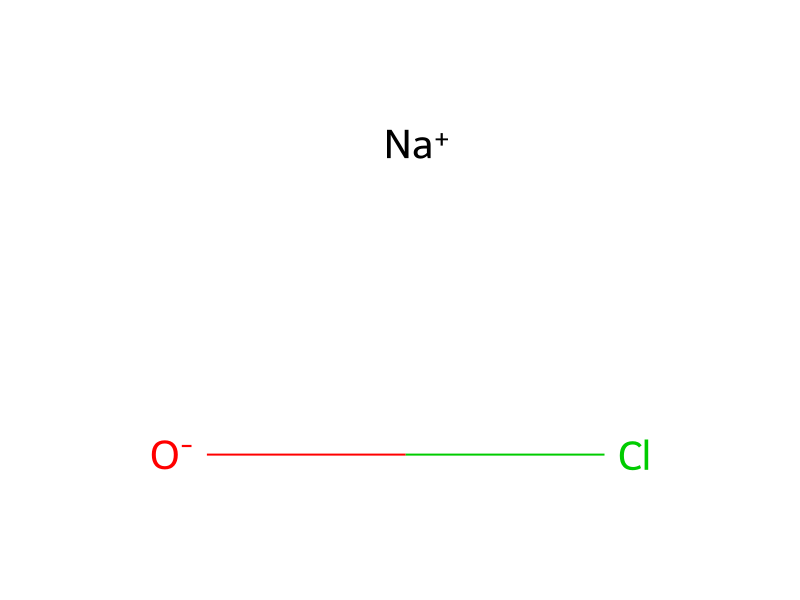
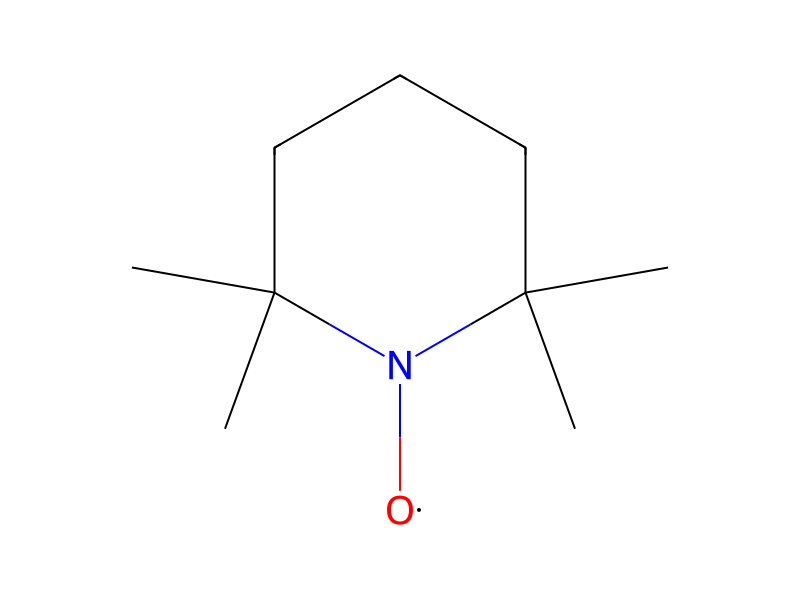
[CH3:1][O:2][C:3]1[N:8]=[CH:7][C:6]([C:9]2[CH:14]=[CH:13][C:12]([CH2:15][CH2:16][C:17](O)=[O:18])=[CH:11][CH:10]=2)=[CH:5][CH:4]=1.[Br-].[K+].Cl[O-].[Na+].C(=O)(O)[O-].[Na+]>ClCCl.CC1(C)N([O])C(C)(C)CCC1>[CH3:1][O:2][C:3]1[N:8]=[CH:7][C:6]([C:9]2[CH:14]=[CH:13][C:12]([CH2:15][CH2:16][CH:17]=[O:18])=[CH:11][CH:10]=2)=[CH:5][CH:4]=1Participants




Conditions
- Temperature
- 0 °C
Procedure
To a stirred solution of the compound obtained from step d above (9.0 g) in dichloromethane (90 ml), 2,2,6,6,-tetramethylpiperidine N-oxyl (58.77 mg) and potassium bromide (447.57 mg) were added at 0° C. under nitrogen atmosphere. A 4% aqueous sodium hypochlorite (3.497 g) was added at pH 8-9 (maintained by adding saturated aqueous sodium bicarbonate solution). The reaction was stirred for 20 minutes at 0° C. Then, the organic layer was separated and the aqueous layer was extracted with dichloromethane. The combined organic layers were washed with saturated aqueous sodium bicarbonate solution, water, and brine. Finally, the organic layers were dried over anhydrous sodium sulfate and concentrated under reduced pressure to afford the title compound (8.1 g) which was used as such in the next step.
Workup
- customThen, the organic layer was separated
- extractionthe aqueous layer was extracted with dichloromethane
- washThe combined organic layers were washed with saturated aqueous sodium bicarbonate solution, water, and brine
- dry with materialFinally, the organic layers were dried over anhydrous sodium sulfate
- concentrationconcentrated under reduced pressure
Sources & evidence
- ORD record
- ord-2e65910c279448fbb783b690a656b399
- Source dataset
- uspto-grants-2014_09
- Patent number
- US08846910B2
Reaction notes
Loading…