Ammonia → L-Phenylalanine
Reaction equation

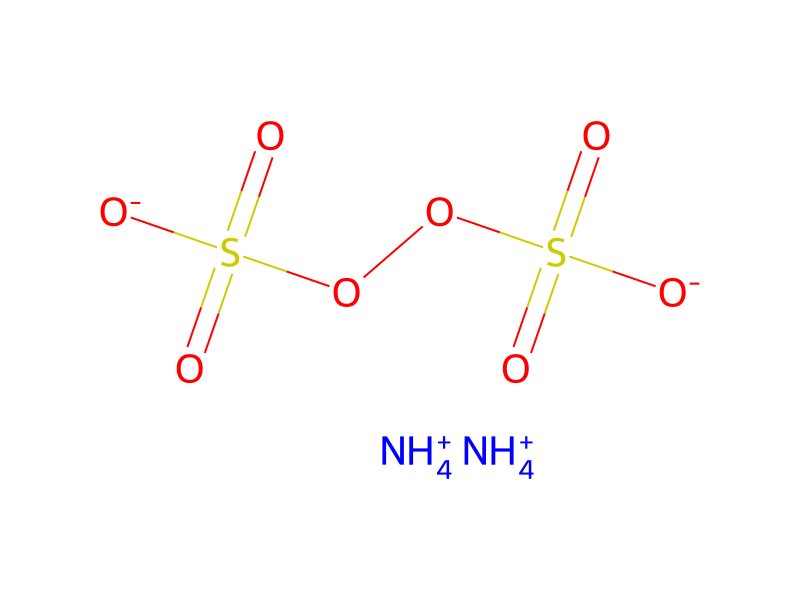
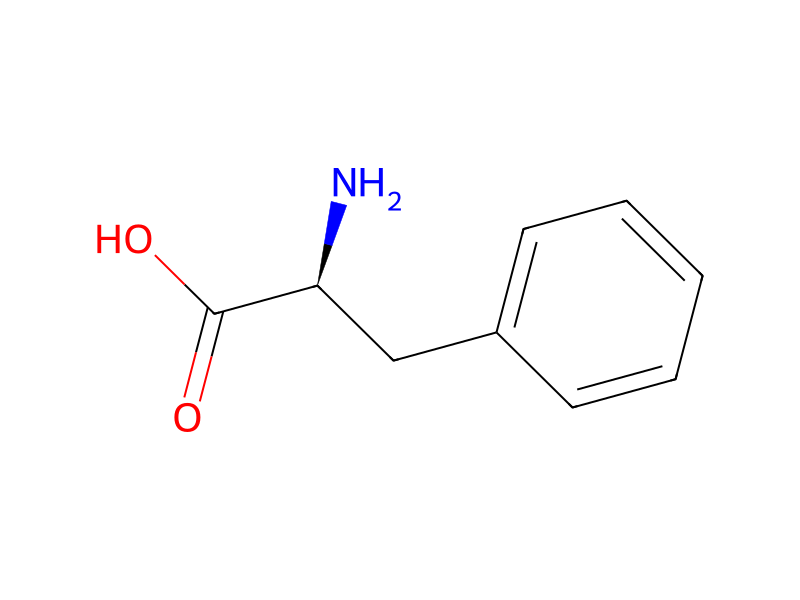
C([NH2:5])(=O)C=C.C(C=CC(N)=O)C=CC(N)=O.O=O.S(OOS([O-])(=O)=O)([O-])(=O)=O.[NH4+].[NH4+].[C:31]([OH:41])(=[O:40])[CH:32]=[CH:33][C:34]1[CH:39]=[CH:38][CH:37]=[CH:36][CH:35]=1.N>O>[NH2:5][C@H:32]([C:31]([OH:41])=[O:40])[CH2:33][C:34]1[CH:35]=[CH:36][CH:37]=[CH:38][CH:39]=1Participants
Reactant 6





Product 1
Reagents, catalysts & solvents 1

Procedure
One gram of microbial cells of Syncephalastrum racemosum IFO-4814, grown by the method described in Example 1, and one gram each of microbial cells of AJ-117128 (FERM P-7736, FERM BP-693) and AJ-6307 (FERM P-7892, FERM BP-694) grown by the method described in Example 2, were each suspended in 4 ml of deionized water. After cooling on ice, 750 mg of acrylamide and 45 mg of methylene-bisacrylamide were dissolved in each suspension, the oxygen was completely displaced by introducing nitrogen gas, 3.5 mg of ammonium persulfate and 8 μl of N,N'-dimethylaminopropionitrile were added, and the mixture was allowed to stand under ice cooling. After one hour, the cell-containing gel thus formed was collected by filtration through a 50-mesh metal gauze and washed with physiological saline. Two grams of the immobilized cells thus obtained were added to an aqueous solution containing 2.0 g/dl of cinnamic acid and 5.5 ml of 28% ammonia (pH controlled to 10.5 with hydrochloric acid), and the reaction was continued at 30° C. for 24 hours. The amounts of phenylalanine formed are listed in Table 3.
Workup
- dissolutionwere dissolved in each suspension
- additionwere added
- customthe cell-containing gel thus formed
- filtrationwas collected by filtration through a 50-mesh metal gauze
- washwashed with physiological saline
- customTwo grams of the immobilized cells thus obtained
- additionwere added to an aqueous solution
- waitthe reaction was continued at 30° C. for 24 hours
Sources & evidence
- ORD record
- ord-26c4bfd9d3a4404ba83c8727f184954e
- Source dataset
- uspto-grants-1988_07
- Patent number
- US04755466
Reaction notes
Loading…