Hydrochloric Acid → 3-(Cyclohexanesulfonyl)propanoic acid
Reaction equation

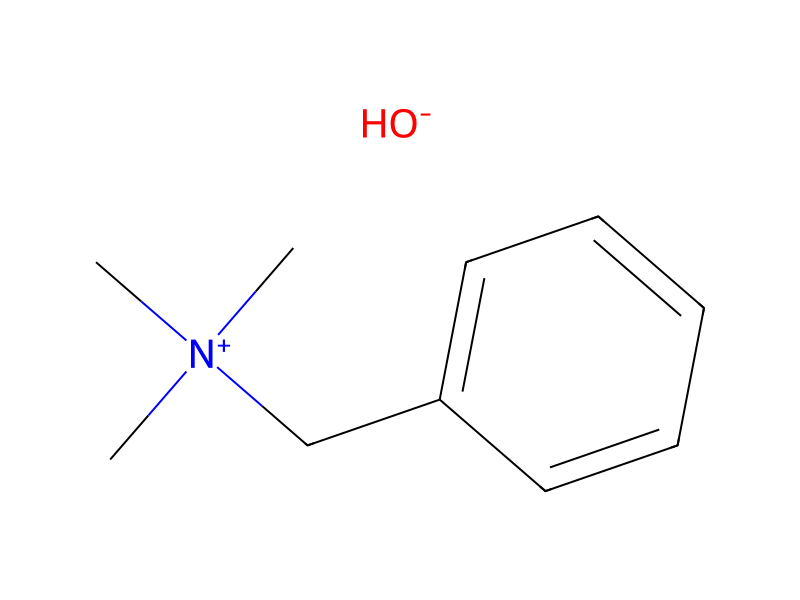
[CH:1]1([SH:7])[CH2:6][CH2:5][CH2:4][CH2:3][CH2:2]1.[OH-:8].C([N+](C)(C)C)C1C=CC=CC=1.[C:20]([O:24]C)(=[O:23])[CH:21]=[CH2:22].[OH-:26].[Na+].Cl.[Na+].[Cl-].OO>C(O)(=O)C.C(O)C>[CH:1]1([S:7]([CH2:22][CH2:21][C:20]([OH:24])=[O:23])(=[O:26])=[O:8])[CH2:6][CH2:5][CH2:4][CH2:3][CH2:2]1Participants
Reactant 7






Product 1

Reagents, catalysts & solvents 2


Conditions
- Temperature
- 80 °C
Procedure
To a 1000 mL 4 neck glass reaction flask equipped with a mechanical stirrer, dropping funnel, thermometer, water cooled condenser, and ice bath were charged 100.18 g of cyclohexylmercaptan and 1 mL of 40% aqueous benzyltrimethylammonium hydroxide solution (as catalyst). To the dropping funnel was charged 84.15 mL (10% excess) of methyl acrylate. With agitation and ice cooling the methyl acrylate was added over a period of 14 minutes at 28°-38° C. Following the addition, the ice bath was replaced by a heating mantle, and agitation was continued at 30°±1° C. for 69 minutes. 171.1 mL of 20% aqueous NaOH was charged to the dropping funnel, and 278 mL of absolute ethanol was charged to the reactor. The NaOH (10% excess over methyl acrylate) was added over a period of 9 minutes, the temperature rising to 46.5° C. The mixture was heated to reflux (80° C.) and refluxed for 46 minutes. The mixture was cooled to 25° C. and transferred (with H2O rinse) to a rotary evaporator. Using aspirator vacuum and a bath temperature of 50°-55° C., 280 mL of volatile material (mostly ethanol) was stripped off and discarded. The residue was a homogeneous, water white solution weighing 360.3 g. The residue was cooled in an ice bath, transferred to a 1000 mL separatory funnel, and reacted therein with 95.8 mL of cold 37% aqueous HCl (10% excess over NaOH). Enough dry NaCl was added in several portions to nearly saturate the aqueous phase. After cooling, shaking, and settling for 30 minutes, the mixture consisted of an upper oil phase containing the bulk of the product and a lower aqueous phase which was drained off and discarded. The oil phase was washed once with an equal volume of nearly saturated aqueous NaCl, and after settling overnight, the wash layer was drained off and discarded. The oil phase was transferred to a 2000 mL 4 neck glass reaction flask, fitted with a dropping funnel, mechanical agitator, alcohol thermometer, reflux condenser, and an ice bath. 860 mL of glacial acetic acid was also charged, part of it being used to rinse residues from the separatory funnel into the reactor. To the dropping funnel was charged 133.3 mL of 30% H2O2 (50% excess over theoretical for conversion to the sulfoxide). The H2O2 was added with agitation over a period of 22 minutes with cooling as needed to maintain ≤32° C. Following the addition, agitation was continued without cooling for 68 minutes, the temperature declining to 25.5° C. Leaving a small heel in the reactor, most of the reaction mixture was transferred to a 4000 mL beaker and mixed with another 133.3 mL of 30% H2O2 (no temperature rise observed). The heel was heated to reflux, and the mixture from the beaker was added to the reactor via the dropping funnel over a period of 37 minutes. Refluxing was continued for another 60 minutes, and the mixture was then cooled to room temperature. Another 102 mL of 30% H2O2 was added and mixed in, and the mixture was allowed to stand for 41/2 days at ambient temperature. Excess H2O2 was destroyed by mixing with 900 mL water and 219.18 g Na2SO3 in a 4000 mL beaker at ≤50° C. The liquid phase was separated from undissolved salts by a combination of decantation and filtration and transferred to a rotary evaporator (in several batches) where volatiles were stripped off at a bath temperature of 51°-52° C. (aspirator vacuum) and discarded. The residue, a thin sludge, became a solid crystalline mass upon cooling and standing. The total product was collected in a 4000 mL beaker and diluted with water to 1000 mL. This mixture was heated to 80° C., at which temperature it was a homogeneous solution. It was then cooled to 18° C., at which temperature it crystallized rapidly to form a thick white slurry. The solids were collected by filtration at 15°-20° C., washed on the filter with water, and dried at ambient temperature to constant weight. The product weighed 129.12 g, equivalent to a yield of 68% of theory based upon the amount of cyclohexylmercaptan used. Analysis by NMR in DMSO-D6 confirmed that the product was 3-(cyclohexylsulfonyl)propionic acid, free of detectable amounts of impurities or retained water.
Workup
- customequipped with a mechanical stirrer
- additionthe addition
- additionwas charged to the reactor
- customrising to 46.5° C
- temperatureThe mixture was heated
- temperaturerefluxed for 46 minutes
- temperatureThe mixture was cooled to 25° C.
- wash(with H2O rinse)
- customto a rotary evaporator
- customvacuum and a bath temperature of 50°-55° C., 280 mL of volatile material
- temperatureThe residue was cooled in an ice bath
- customtransferred to a 1000 mL separatory funnel
- customreacted
- concentrationto nearly saturate the aqueous phase
- temperatureAfter cooling
- waitsettling for 30 minutes
- additioncontaining the bulk of the product
- washThe oil phase was washed once with an equal volume of nearly saturated aqueous NaCl
- waitafter settling overnight
- customThe oil phase was transferred to a 2000 mL 4 neck glass reaction flask
- customfitted with a dropping funnel
- washto rinse residues from the separatory funnel into the reactor
- additionTo the dropping funnel was charged 133.3 mL of 30% H2O2 (50% excess over theoretical for conversion to the sulfoxide)
- additionThe H2O2 was added with agitation over a period of 22 minutes
- temperaturewith cooling
- temperatureto maintain ≤32° C
- additionthe addition, agitation
- temperaturewithout cooling for 68 minutes
- customdeclining to 25.5° C
- customLeaving a small heel in the reactor
- temperatureThe heel was heated
- temperatureto reflux
- additionthe mixture from the beaker was added to the reactor via the dropping funnel over a period of 37 minutes
- temperatureRefluxing
- waitwas continued for another 60 minutes
- temperaturethe mixture was then cooled to room temperature
- additionmixed in, and the mixture
- custom2 days
- customat ambient temperature
- customExcess H2O2 was destroyed
- additionby mixing with 900 mL water and 219.18 g Na2SO3 in a 4000 mL beaker at ≤50° C
- customThe liquid phase was separated from undissolved salts by a combination of decantation and filtration
- customtransferred to a rotary evaporator (in several batches) where volatiles
- customwere stripped off at a bath
- customtemperature of 51°-52° C. (aspirator vacuum)
- temperatureupon cooling
- customThe total product was collected in a 4000 mL beaker
- additiondiluted with water to 1000 mL
- temperatureThis mixture was heated to 80° C., at which temperature it
- temperatureIt was then cooled to 18° C., at which temperature it
- customcrystallized rapidly
- customto form a thick white slurry
- filtrationThe solids were collected by filtration at 15°-20° C.
- washwashed on the
- filtrationfilter with water
- customdried at ambient temperature to constant weight
Sources & evidence
- ORD record
- ord-ba42112ddc824aa7aa7d15861910abcc
- Source dataset
- uspto-grants-1988_07
- Patent number
- US04758369
Reaction notes
Loading…