Hydrogen Peroxide → Aluminum Sulfate
Reaction equation

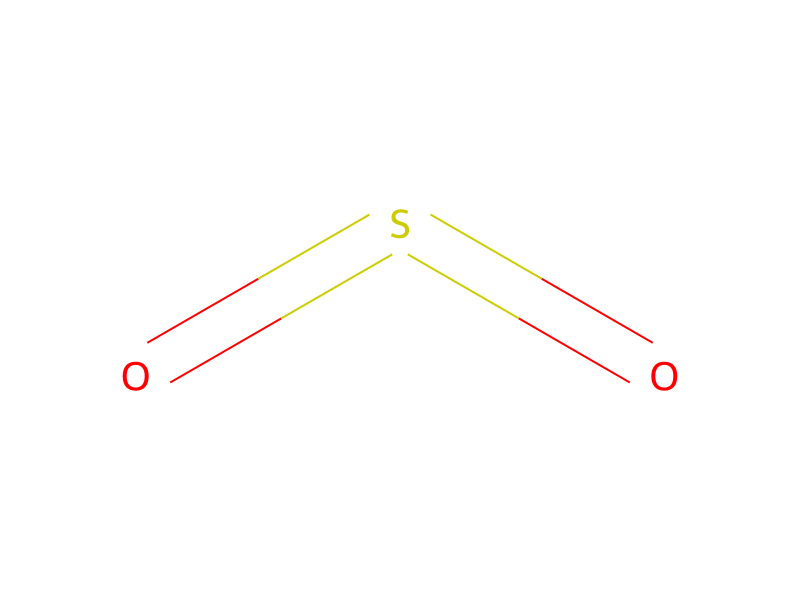
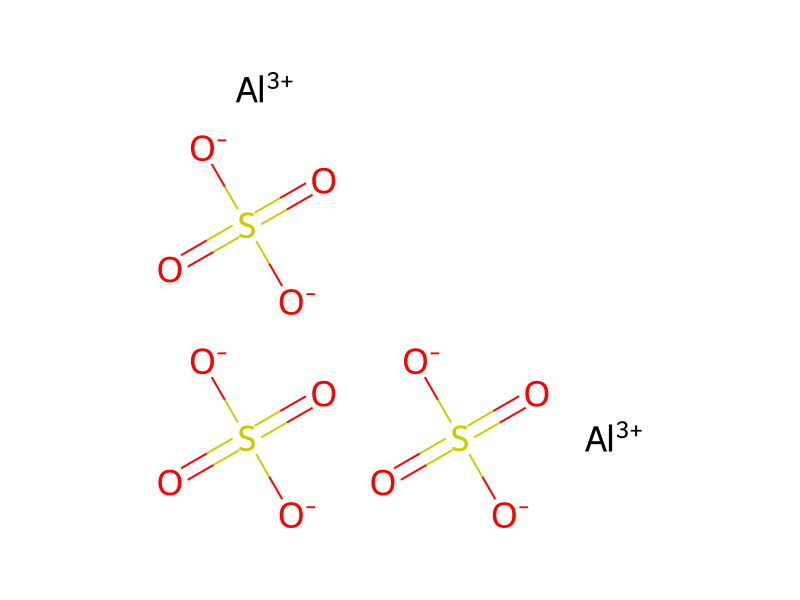
[S:1]([O-:5])([O:3]O)=[O:2].[Al+3:6].[OH:7][O:8][S:9]([O-:11])=[O:10].[OH:12][O:13][S:14]([O-:16])=[O:15].OO.O=O.S(=O)=[O:22]>O.[Fe]>[S:1]([O-:5])([O-:7])(=[O:3])=[O:2].[Al+3:6].[S:9]([O-:11])([O-:12])(=[O:10])=[O:8].[S:14]([O-:16])([O-:22])(=[O:15])=[O:13].[Al+3:6]Participants
Reactant 4



Product 1
Reagents, catalysts & solvents 2


Procedure
The aluminum hydroxy sulfite precipitate is then transported by suitable means indicated by the numeral 5 to an oxidizer indicated by the numeral 6. The precipitate is reslurried in water and preferably heated between 60° C. and 90° C. Hydrogen peroxide, oxygen and air can be used as oxidizing agents, with air being preferred for economy reasons. A catalyst, such as a soluble iron compound may be needed to improve the yield. Among the satisfactory iron catalysts are ferric sulfite, ferric sulfate, ferrous sulfite and ferrous sulfate. The reaction time can be reduced to approximately 16 to 20 minutes by vigorously contacting the slurry with air. Conducting the reaction in a closed vessel reduces the escape of sulfur dioxide into the air. The reaction time may be further reduced by operating at pressures greater than atmospheric. The oxidation produces aluminum sulfate which can then be separated by conventional means from the slurry. A small amount of Al2O3 will also be produced which can be recycled through the entire process by adding it to the scrubber indicated by the numeral 2 or reacting it with sulfuric acid to form aluminum sulfate. The soluble aluminum sulfate can then be used in many commercial processes.
Workup
- customthe reaction in a closed vessel
Sources & evidence
- ORD record
- ord-c99dd50f3b1f4fd1985cfea364c9ed45
- Source dataset
- uspto-grants-1981_10
- Patent number
- US04296079
Reaction notes
Loading…