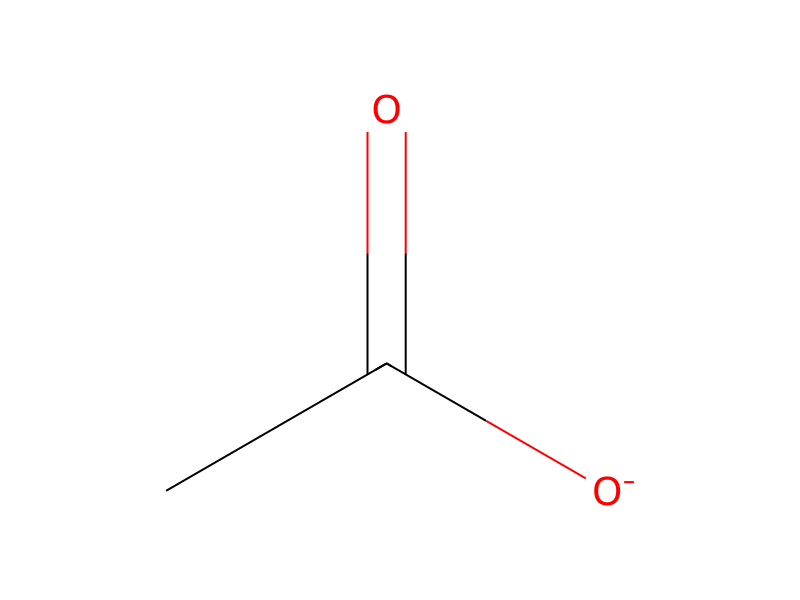
Acetate → HCID 60878511, compound
Reaction equation

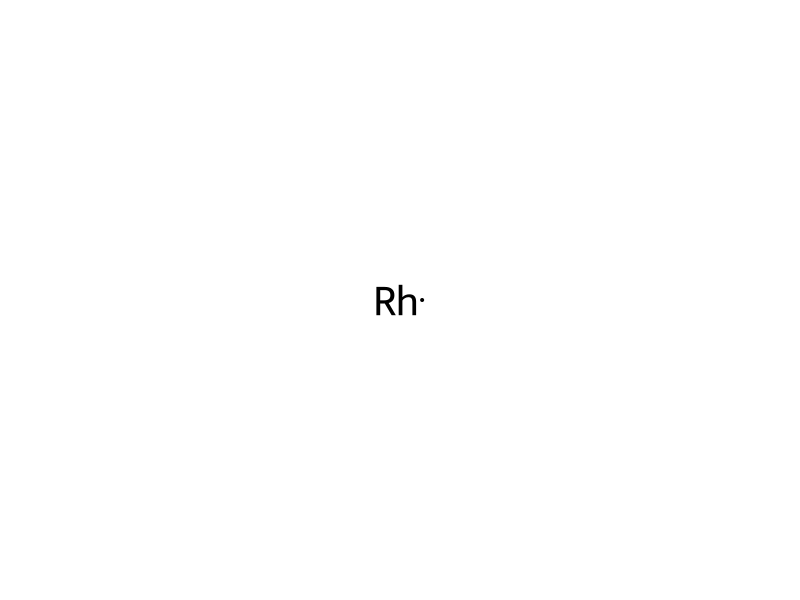
[ClH:1].NO.[C:4]1([OH:10])[CH:9]=[CH:8][CH:7]=[CH:6][CH:5]=1.C([O-])(=O)C.Br[CH2:16][C:17]([O:19][CH2:20][CH3:21])=[O:18].[OH-].[Li+].[CH2:24]([NH2:26])C.C1(N)CC1>C(=O)([O-])[O-].[Na+].[Na+].[Rh]>[CH2:20]([O:19][C:17](=[O:18])[CH2:16][O:10][C:4]1[CH:9]=[CH:8][C:7]([Cl:1])=[CH:6][C:5]=1[CH2:24][NH2:26])[CH3:21]Participants
10
Reactant 7






Product 1

Reagents, catalysts & solvents 2

Procedure
4-Chlorosalicaldehyde is condensed with hydroxylamine hydrochloride in ethanolic aqueous sodium carbonate solution in Step A. The oxime is reduced by hydrogenation over a catalyst such as rhodium and the amine is protected as its BOC derivative under standard conditions. The phenol is alkylated in Step D with an acetate equivalent such as ethyl bromoacetate and the resulting ester is hydrolysed with lithium hydroxide. The product carboxylic acid is coupled to an amine such as ethylamine or cyclopropylamine in Step F, and the BOC group is removed by strong acid such as TFA in Step G. ##STR13##
Workup
- customthe BOC group is removed by strong acid such as TFA in Step G
Sources & evidence
- ORD record
- ord-1e5c7233a7d34343b7121fb36909d6f2
- Source dataset
- uspto-grants-2000_01
- Patent number
- US06017934
Reaction notes
Loading…