4-Methylmorpholine → N-t-Butoxycarbonyl-2-Hydroxy-5-Chlorobenzylamine
Reaction equation

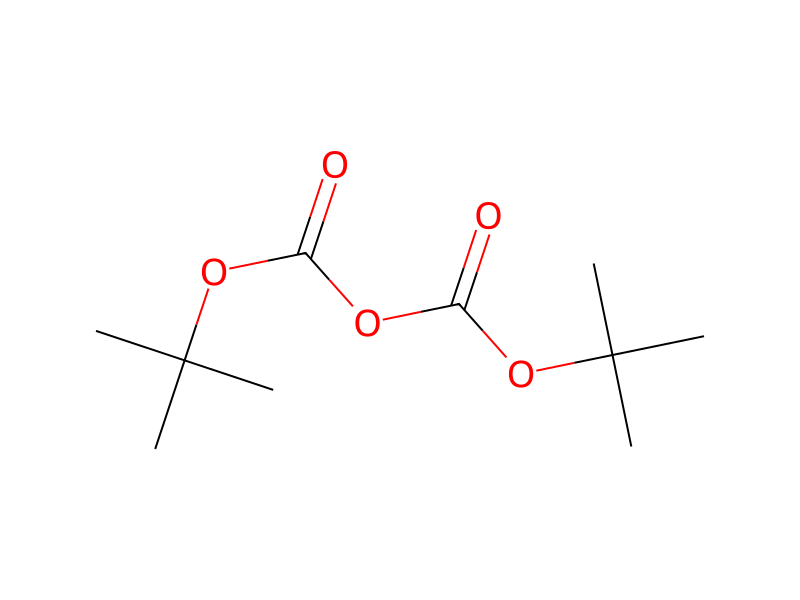
[OH:1][C:2]1[CH:9]=[CH:8][C:7]([Cl:10])=[CH:6][C:3]=1[CH2:4][NH2:5].S(=O)(=O)(O)[O-].[O:16](C(OC(C)(C)C)=O)[C:17]([O:19][C:20]([CH3:23])([CH3:22])[CH3:21])=O.CN1CCOCC1>CN(C=O)C>[C:20]([O:19][C:17]([NH:5][CH2:4][C:3]1[CH:6]=[C:7]([Cl:10])[CH:8]=[CH:9][C:2]=1[OH:1])=[O:16])([CH3:23])([CH3:22])[CH3:21]Participants
6





Procedure
A mixture of 2-hydroxy-5-chlorobenzylamine (1.22 g, 4.77 mmol assuming the bisulfate salt), (BOC)2O (1.56 g, 7.16 mmol) and N-methylmorpholine (1.05 ml, 9.54 mmol) in DMF (10 ml) was stirred for 5 h at r.t. The reaction was partitioned between water and ethyl acetate and the organic layer was washed with 5% KHSO4 solution (2 times), sodium hydrogen carbonate solution and brine, dried (Na2SO4) and evaporated in vacuo to a solid. The crude product was recrystallized from ethyl acetate/hexanes (1:5, 12 ml) to give the title compound:
Workup
- customThe reaction was partitioned between water and ethyl acetate
- washthe organic layer was washed with 5% KHSO4 solution (2 times), sodium hydrogen carbonate solution and brine
- dry with materialdried (Na2SO4)
- customevaporated in vacuo to a solid
- customThe crude product was recrystallized from ethyl acetate/hexanes (1:5, 12 ml)
Sources & evidence
- ORD record
- ord-cc51bd14ae5b44c990124325d7020742
- Source dataset
- uspto-grants-2000_01
- Patent number
- US06017934
Reaction notes
Loading…