Hydrochloric Acid → HCID 17906364, compound
Reaction equation

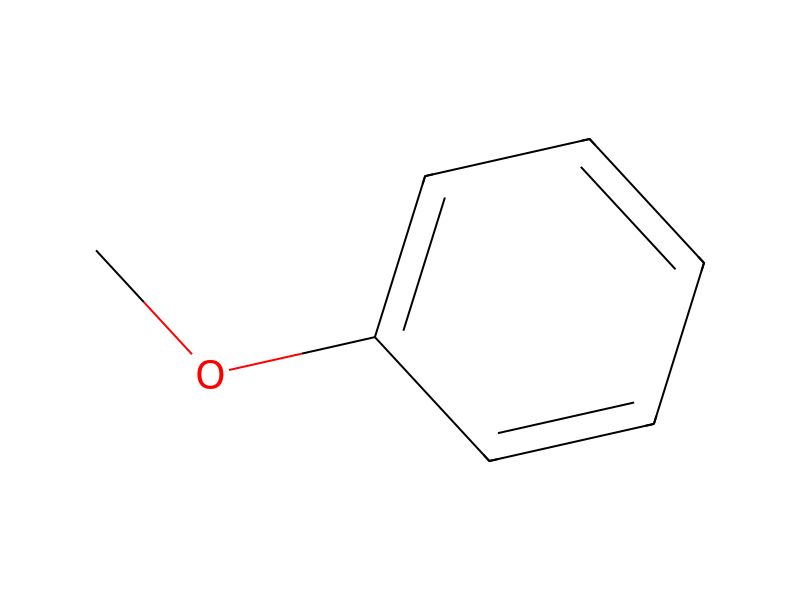
[F:1][C:2]1[CH:10]=[C:9]([F:11])[CH:8]=[CH:7][C:3]=1[C:4](Cl)=[O:5].[C:12]1([O:18][CH3:19])[CH:17]=[CH:16][CH:15]=[CH:14][CH:13]=1.[Cl-].[Al+3].[Cl-].[Cl-].Cl>CCCCCCC.ClCCCl>[F:1][C:2]1[CH:10]=[C:9]([F:11])[CH:8]=[CH:7][C:3]=1[C:4]([C:15]1[CH:16]=[CH:17][C:12]([O:18][CH3:19])=[CH:13][CH:14]=1)=[O:5]Participants






Procedure
Combine 2,4-difluorobenzoyl chloride (227.8 g, 1.29 mol), anisole (154.2 mL, 1.42 mol) and 1,2-dichloroethane (2.28 L) and cool (−3° C.) under a nitrogen atomosphere. Add aluminum chloride (209.8 g, 1.57 mol) over 45 minutes. The solution color turns from clear to yellow. Pour the reaction mixture over a mixture of ice (1700 g) and concentrated HCl (640 mL) over 2 minutes. The color of the mixture turns from yellow to clear. Separate layers and wash organic layer with 10% potassium carbonate (1600 mL), water (1600 mL), dry (MgSO4), filter and concentrate to give a solid. Stir the solid in heptane (960 mL) and filter to give the title compound as a white solid (258.1 g, 81% Yield): 1H NMR (CDCl3, 200 MHz) δ 3.9 (s, 3H), 6.95 (m, 4H), 7.55 (quar, 1H), 7.8 (d, 2H). Purity by LC/MS (APCl)=100% area, [M+H]+=248 m/e.
Workup
- additionPour the reaction mixture
- washSeparate layers and wash organic layer with 10% potassium carbonate (1600 mL), water (1600 mL)
- dry with materialdry (MgSO4)
- filtrationfilter
- concentrationconcentrate
- customto give a solid
- filtrationfilter
Sources & evidence
- ORD record
- ord-bd4be57520dd455c8de164d3b94d3830
- Source dataset
- uspto-grants-2007_08
- Patent number
- US07253165B2
Reaction notes
Loading…