Formaldehyde → Naphthalene
Reaction equation

[C:1]1(C=O)[C:10]2[C:5](=[CH:6][CH:7]=[CH:8][CH:9]=2)[CH:4]=[CH:3][CH:2]=1.C1(O)C=CC=CC=1.C(O)(=O)C(O)=O.C=O>C1(C)C=CC(S(O)(=O)=O)=CC=1>[CH:9]1[C:10]2[C:5](=[CH:4][CH:3]=[CH:2][CH:1]=2)[CH:6]=[CH:7][CH:8]=1Participants
Reactant 4



Product 1

Reagents, catalysts & solvents 1

Procedure
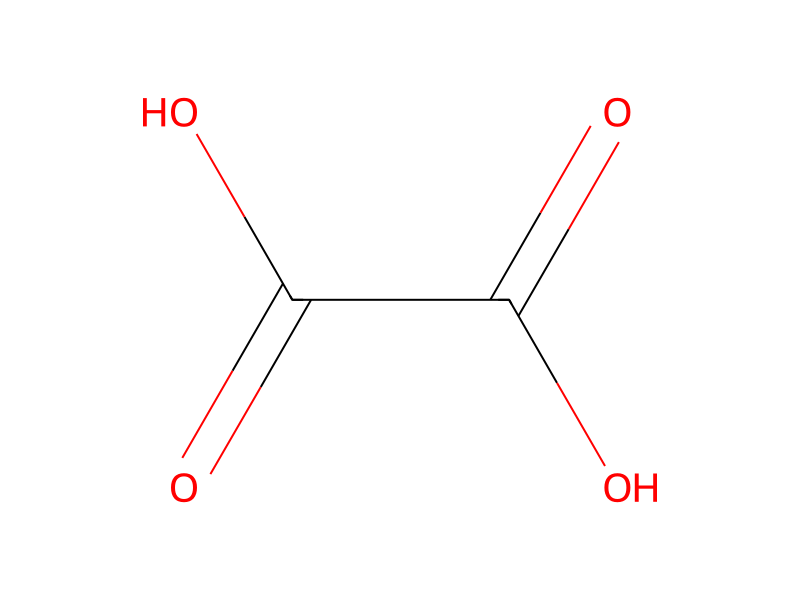
100 Parts of a naphthaleneformaldehyde resin and 100 parts of phenol were reacted with each other in the presence of 0.1 part of p-toluenesulfonic acid as a catalyst at 140° C. for 2 hours. Then, 1 part of oxalic acid and 35 parts of 37% formalin were added, and the mixture was allowed to react at 100° C. for 2.5 hours. Thereafter, while the mixture was heated, it was subjected to dehydration treatment under reduced pressure. When the temperature reached 165° C., the dehydration under reduced pressure was terminated to give a brown opaque naphthalene.formaldehyde resin-modified novolak.phenolic resin having a softening point of 125° C. In this case, the amount of phenol in the distillate was about 4% based on the charged phenol amount.
Workup
- customto react at 100° C. for 2.5 hours
- temperatureThereafter, while the mixture was heated
- customreached 165° C.
- customthe dehydration under reduced pressure was terminated
Sources & evidence
- ORD record
- ord-8591bcbdbf5a4e4abc015b1b0669e4a8
- Source dataset
- uspto-grants-1998_02
- Patent number
- US05714544
Reaction notes
Loading…