Benzene → Benzopyran
Reaction equation

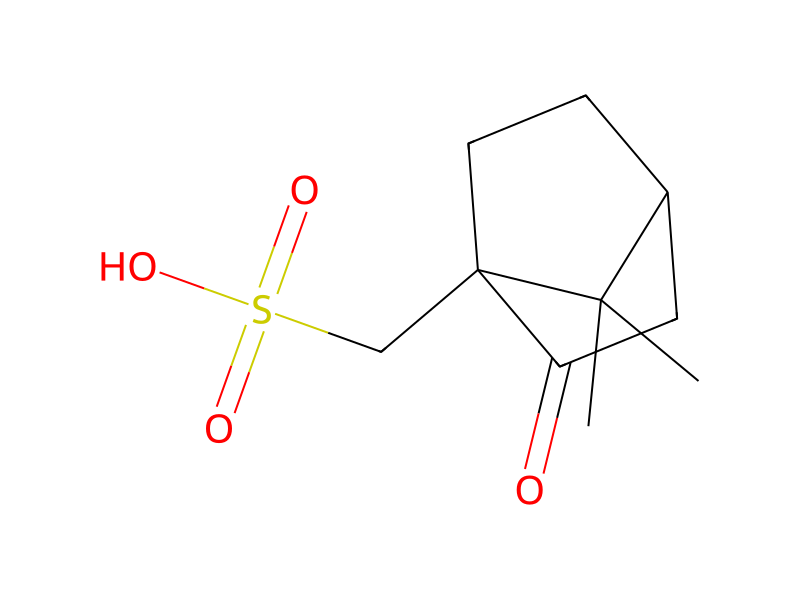
[O:1]1[C:10]2[C:5](=[CH:6][CH:7]=[CH:8][CH:9]=2)[CH:4](O)[CH2:3][CH2:2]1.C1C=CC=CC=1.C1(C)C=CC(S(O)(=O)=O)=CC=1.C12(CS(O)(=O)=O)C(C)(C)C(CC1)CC2=O>C1(C)C(C)=CC=CC=1.C1(C)C=CC=CC=1.ClC1C=CC=CC=1>[O:1]1[C:10]2[C:5](=[CH:6][CH:7]=[CH:8][CH:9]=2)[CH:4]=[CH:3][CH2:2]1Participants







Procedure
The compound 4 is refluxed under heating in a solvent such as benzene, chlorobenzene, toluene and xylene, in the presence of an acid catalyst such as p-toluenesulfonic acid and camphor sulfonic acid, using a Dean-Stark apparatus, while removing liberated water, or the hydroxyl group of compound 4 is activated into acetyl, trifluoroacetyl, methanesulfonyl, trifluoromethanesulfonyl or p-toluenesulfonyl using acetic anhydride, trifluoroacetic acid, methanesulfonyl chloride, trifluoromethanesulfonyl chloride or p-toluenesulfonyl chloride and removing the activated hydroxy using a base such as triethylamine, N-methylmorpholine and diazabicycloundecene, particularly preferably diazabicycloundecene, to give a chromene (compound 5 wherein R1, R2 and R3 are as defined above).
Workup
- customwhile removing liberated water
- customremoving the activated hydroxy using a base such as triethylamine, N-methylmorpholine and diazabicycloundecene, particularly preferably diazabicycloundecene
Sources & evidence
- ORD record
- ord-f4870be1e10f4f03ae4eb077675d5dd6
- Source dataset
- uspto-grants-1998_02
- Patent number
- US05719155
Reaction notes
Loading…