Piperazine → HCID 10442842, compound
Reaction equation

[CH:1](=O)[C:2]1[CH:7]=[CH:6][CH:5]=[N:4][CH:3]=1.[NH:9]1[CH2:14][CH2:13][NH:12][CH2:11][CH2:10]1.[C-:15]#[N:16].[K+]>CO.O.P([O-])([O-])([O-])=O>[N:4]1[CH:5]=[CH:6][CH:7]=[C:2]([CH:1]([C:15]#[N:16])[N:9]2[CH2:14][CH2:13][NH:12][CH2:11][CH2:10]2)[CH:3]=1Participants
7
Reactant 3


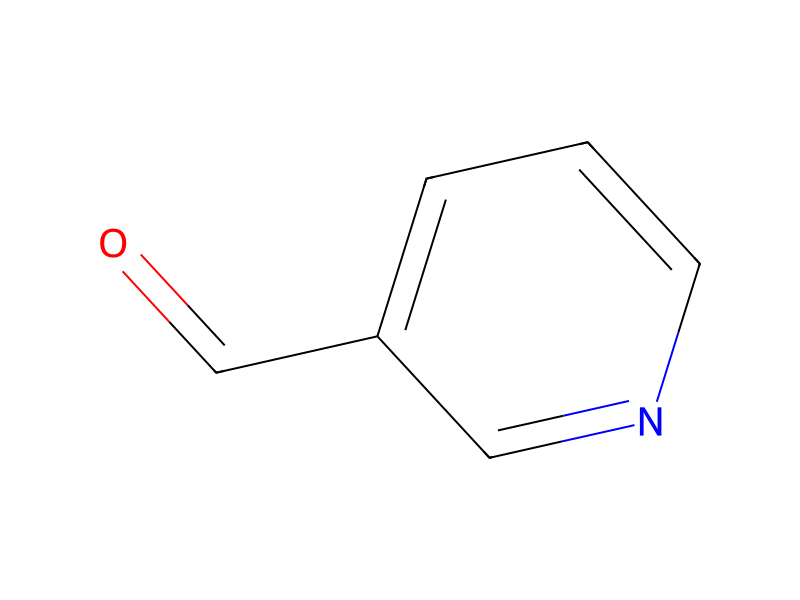
Product 1

Reagents, catalysts & solvents 3


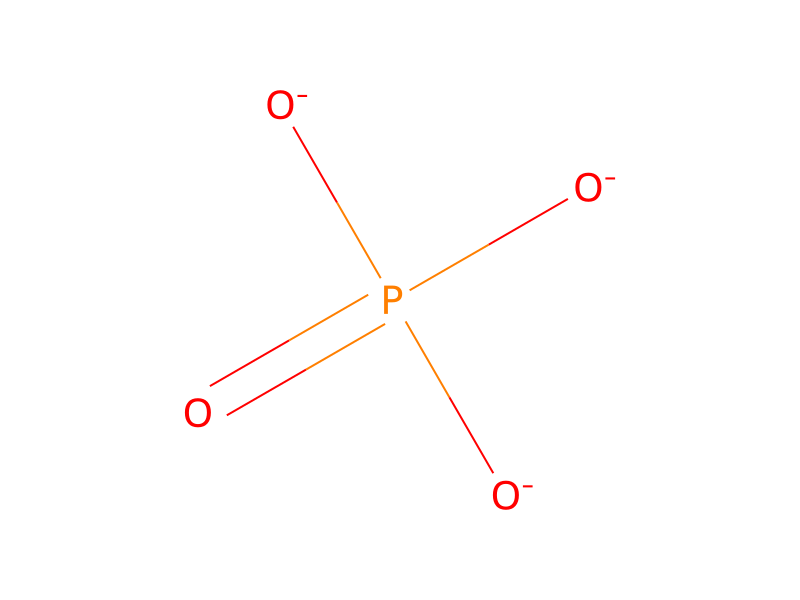
Procedure
A solution of nicotinaldehyde (5.1 ml, 54 mmol) in methanol (60 ml) was added to a stirred solution of piperazine (14.0 g, 160 mmol) and potassium cyanide (5.4 g, 83 mmol) in water (60 ml) and 1M phosphate buffer solution (pH 7.3: 60 ml). The reaction mixture was stirred for 48 h at ambient temperature and partitioned between water (80 ml) and ethyl acetate (2×100 ml). The organics were dried over anhydrous sodium sulphate, filtered and concentrated. Chromatography (silica gel: 2% methanol in DCM) gave 4-(3-pyridylcyanomethyl)piperazine (1.3 g, 12%) as a colourless oil.
Workup
- custompartitioned between water (80 ml) and ethyl acetate (2×100 ml)
- dry with materialThe organics were dried over anhydrous sodium sulphate
- filtrationfiltered
- concentrationconcentrated
Sources & evidence
- ORD record
- ord-2bb39cd28e814303b96846ec8ca244ea
- Source dataset
- uspto-grants-1996_10
- Patent number
- US05563151
Reaction notes
Loading…