Sulfur Dioxide → 4-Chloro-2,3-dihydro-1lambda6,2-benzothiazole-1,1,3-trione
Reaction equation

C[C:2]1[CH:12]=[CH:11][CH:10]=[C:9]2[C:3]=1[C:4](=[O:13])[NH:5][S:6]2(=[O:8])=[O:7].[Cl:14]C1C=CC=C(N)C=1C(OC)=O.N([O-])=O.[Na+].S(=O)=O.ClS(C1C=CC=C(Cl)C=1C(OC)=O)(=O)=O.[OH-].[NH4+]>C(O)(=O)C.Cl.O>[Cl:14][C:2]1[CH:12]=[CH:11][CH:10]=[C:9]2[C:3]=1[C:4](=[O:13])[NH:5][S:6]2(=[O:8])=[O:7]Participants
10
Reactant 6
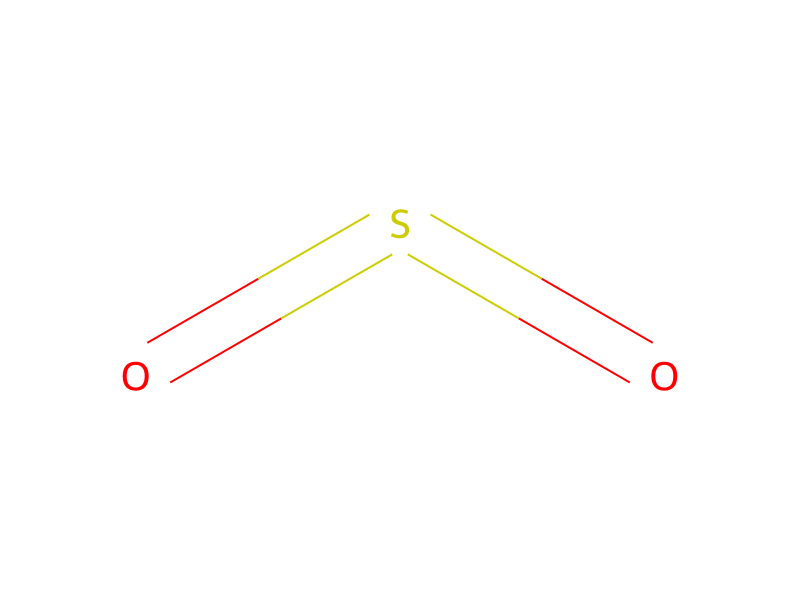




Product 1

Reagents, catalysts & solvents 3



Procedure
4-Chlorosaccharin was prepared by the same method as used for the preparation of 4-methylsaccharin using 4.22 g (0.023 mol) of methyl 6-chloroanthranilate in 22 ml of acetic acid and 40 ml of concentrated hydrochloric acid and 1.68 g (0.024 mol) of sodium nitrite in 7 ml of water to prepare the diazonium salt which was added to 1.93 g (0.011 mol) of cupric chloride dihydrate and 6.5 g of sulfur dioxide in 30 ml of acetic acid and 5 ml of water. The resulting methyl 2-chlorosulfonyl-6-chlorobenzoate was treated with 150 ml of ammonium hydroxide as described above to afford 3.07 g (62%) of 4-chlorosaccharin as a pale yellow solid, mp 245°-246° C.
Workup
- custom4-Chlorosaccharin was prepared by the same method
Sources & evidence
- ORD record
- ord-beeb0d98631549698f3fbaccc5b71c53
- Source dataset
- uspto-grants-1996_10
- Patent number
- US05563163
Reaction notes
Loading…