4-Chloropyridine → HCID 86695935, compound
Reaction equation

[Cl:1][C:2]1[CH:7]=[CH:6][N:5]=[CH:4][CH:3]=1.[Li+].CC([N-]C(C)C)C.C1COCC1.CCCCCCC.C(C1C=CC=CC=1)C.[O:36]1[CH2:39][C:38](=[O:40])[CH2:37]1>C1COCC1.C1(C)C=CC=CC=1>[Cl:1][C:2]1[CH:7]=[CH:6][N:5]=[CH:4][C:3]=1[C:38]1([OH:40])[CH2:39][O:36][CH2:37]1Participants


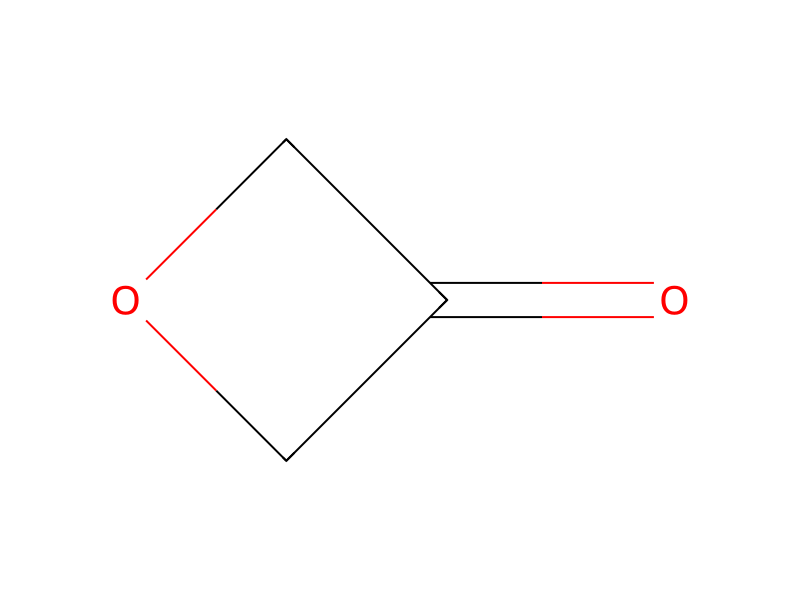




Conditions
- Temperature
- -78 °C
Procedure
4-Chloropyridine (5 g, 44.0 mmol) hydrochloride salt was dried by azeotropic distillation with anhydrous toluene in a round bottomed flask. To this, anhydrous THF (100 mL) was added under nitrogen atmosphere and cooled to −78° C. After 15 min, LDA, 2M in THF/heptane/ethylbenzene (48.4 mL, 97 mmol) was added dropwise and the reaction stirred for 30 min. Oxetan-3-one (3.81 g, 52.8 mmol) was then added and reaction was stirred for 5 min at −78° C. and then cold bath was removed and reaction was allowed to warm to room temperature gradually (˜1 h). The reaction was quenched by addition of aqueous ammonium chloride and organics extracted with ethyl acetate (3×50 mL). The combined organic extracts were dried and concentrated under reduced pressure to afford 3-(4-chloropyridin-3-yl)oxetan-3-ol (3.8 g, 20.47 mmol, 46% yield) as a yellow oil.
Workup
- customreaction
- stirringwas stirred for 5 min at −78° C.
- customcold bath was removed
- customreaction
- temperatureto warm to room temperature gradually (˜1 h)
- customThe reaction was quenched by addition of aqueous ammonium chloride
- extractionorganics extracted with ethyl acetate (3×50 mL)
- customThe combined organic extracts were dried
- concentrationconcentrated under reduced pressure
Sources & evidence
- ORD record
- ord-259764ecc5364b66aa0490ad1887a306
- Source dataset
- uspto-grants-2015_03
- Patent number
- US08969564B2
Reaction notes
Loading…