Pyridine → HCID 67325480, compound
Reaction equation

CN[C:3]1[CH:8]=[CH:7][C:6]([N+:9]([O-:11])=[O:10])=[CH:5][CH:4]=1.[N:12]1[CH:17]=[CH:16][CH:15]=[CH:14][CH:13]=1.C1(C(Cl)=[O:22])CC1>O1CCCC1>[CH3:13][CH:14]1[CH2:15][C:16]1([C:3]1[CH:4]=[CH:5][C:6]([N+:9]([O-:11])=[O:10])=[CH:7][CH:8]=1)[C:17]([NH2:12])=[O:22]Participants
5
Reactant 3


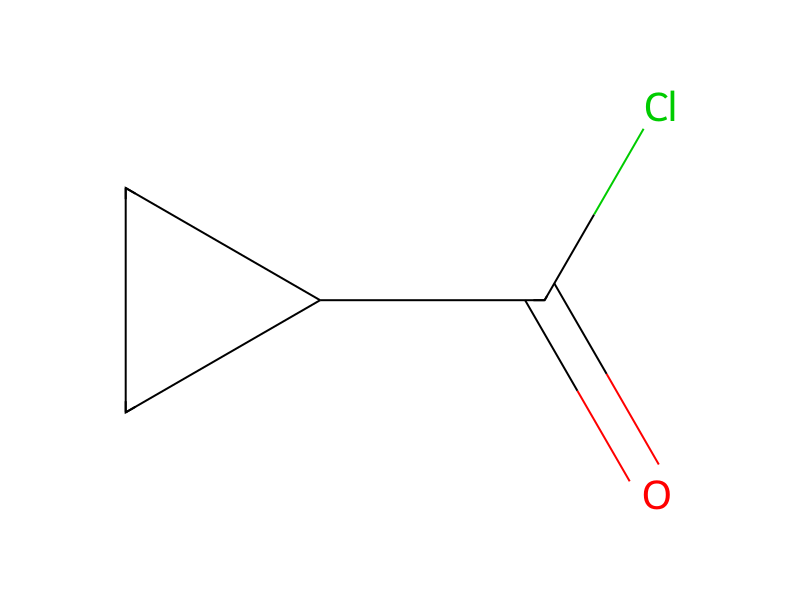
Product 1

Reagents, catalysts & solvents 1

Procedure
To a solution of 2.0 g (13.14 mmol) of N-methyl-4-nitroaniline (Aldrich) and 1.59 mL (19.72 mmol) of pyridine in 15 mL of tetrahydrofuran are added slowly 1.43 mL (15.77 mmol) of cyclopropanoyl chloride. The mixture is refluxed for 2 hours and evaporated to dryness. The residue is taken up in an ethyl acetate/water mixture and the organic phase is then dried over Na2SO4, filtered and concentrated under vacuum. The expected product is obtained in the form of a yellow oil, which is used as obtained in the following step.
Workup
- temperatureThe mixture is refluxed for 2 hours
- customevaporated to dryness
- dry with materialthe organic phase is then dried over Na2SO4
- filtrationfiltered
- concentrationconcentrated under vacuum
Sources & evidence
- ORD record
- ord-73c51558dbc84b6285b158e23405062a
- Source dataset
- uspto-grants-2015_03
- Patent number
- US08975250B2
Reaction notes
Loading…