4-Nitroaniline → HCID 66914977, compound
Reaction equation

B.CSC.[N+:5]([C:8]1[CH:14]=[CH:13][C:11]([NH2:12])=[CH:10][CH:9]=1)([O-])=O.F[C:16](F)(F)[C:17]([NH2:19])=O.FC(F)(F)C(O[C:27](=O)[C:28](F)(F)F)=O.[H-].[Na+].[Cl-].[NH4+:38]>C1COCC1.C(O)C.[Zn]>[CH3:10][C:9]1[CH:8]=[C:14]([CH3:13])[N:38]=[C:17]([NH:19][CH2:27][CH2:28][NH:5][C:8]2[CH:14]=[CH:13][C:11]([NH2:12])=[CH:10][CH:9]=2)[CH:16]=1Participants
Reactant 6





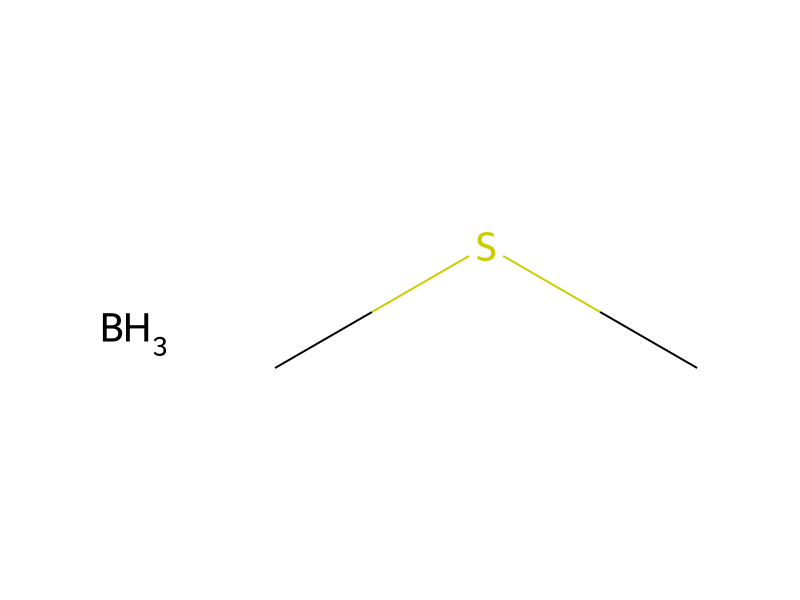
Product 1

Reagents, catalysts & solvents 3



Procedure
From 4-nitroaniline by treatment with ethyl oxalyl chloride in triethylamine and THF to give N-(4-nitro-phenyl)-oxalamic acid ethyl ester, followed by aminolysis with 2-amino-4,6-dimethylpyridine in triethylamine at reflux to afford N-(4,6-dimethyl-pyridin-2-yl)-N-(4-nitro-phenyl)-oxalamide. The amides are then reduced with borane-dimethylsulfide in THF at reflux, the free amine is protected as a trifluoroacetamide by treatment with trifluoroacetic anhydride and sodium hydride in THF then the nitro group is reduced with zinc powder in the presence of ammonium chloride in ethanol. Following coupling with the appropriately-selected acid chloride, a final treatment with lithium hydroxide in methanol removes the trifluoroacetamide to give the final compound described.
Workup
- temperatureat reflux
- customa final treatment with lithium hydroxide in methanol removes the trifluoroacetamide
Sources & evidence
- ORD record
- ord-8ff6ad3f5b54470c83dac3e177e6242b
- Source dataset
- uspto-grants-2015_03
- Patent number
- US08993574B2
Reaction notes
Loading…