1-Chloro-4-nitrobenzene → HCID 9311031, compound
Reaction equation

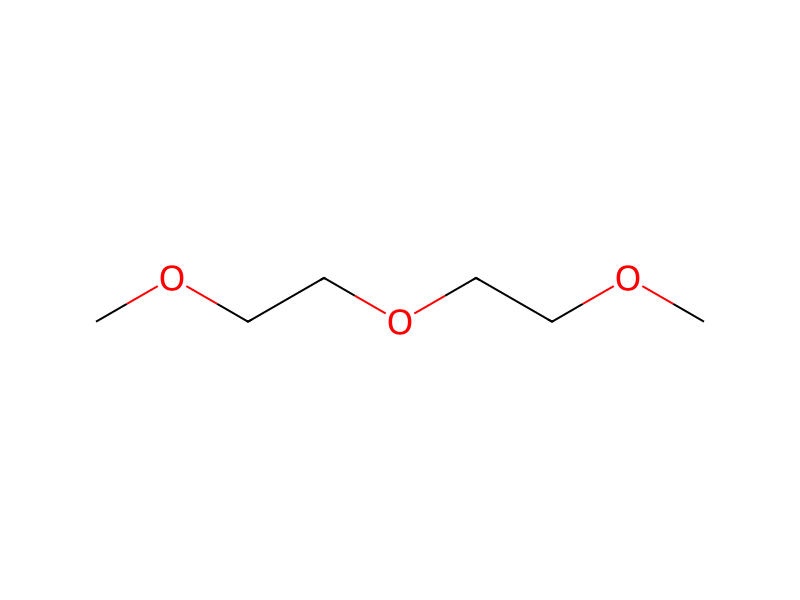
Cl[C:2]1[CH:7]=[CH:6][C:5]([N+:8]([O-:10])=[O:9])=[CH:4][CH:3]=1.C(=O)([O-])[O-].[K+].[K+].[N:17]1[CH:22]=[CH:21][CH:20]=[CH:19][C:18]=1[N:23]1[CH2:28][CH2:27][NH:26][CH2:25][CH2:24]1>COCCOCCOC>[N+:8]([C:5]1[CH:6]=[CH:7][C:2]([N:26]2[CH2:27][CH2:28][N:23]([C:18]3[CH:19]=[CH:20][CH:21]=[CH:22][N:17]=3)[CH2:24][CH2:25]2)=[CH:3][CH:4]=1)([O-:10])=[O:9]Participants
5
Reactant 3



Product 1

Reagents, catalysts & solvents 1
Procedure
A mixture of 1-chloro-4-nitro-benzene (4.34 g, 27.6 mmol) and anhydrous potassium carbonate (5.08 g, 36.8 mmol) was added to a solution of 1-(2-pyridyl)piperazine (3.0 g, 18.4 mmol) in diglyme (10 mL) and heated at reflux for 24 h. The reaction mixture was cooled to ambient temperature, filtered and the filtrate was concentrated in vacuo. The residue was diluted with chloroform and the organic layer was washed with water (5×40 mL), brine (3×30 mL), dried over anhydrous sodium sulphate and concentrated to yield a crude compound. This was purified by washing with hexane (5×5 mL) and then pentane (2×5 mL) to afford 1-(4-nitrophenyl)-4-(2-pyridyl)piperazine (4.0 g, 77%) as a yellow solid.
Workup
- temperatureheated
- temperatureat reflux for 24 h
- filtrationfiltered
- concentrationthe filtrate was concentrated in vacuo
- additionThe residue was diluted with chloroform
- washthe organic layer was washed with water (5×40 mL), brine (3×30 mL)
- dry with materialdried over anhydrous sodium sulphate
- concentrationconcentrated
- customto yield a crude compound
- customThis was purified
- washby washing with hexane (5×5 mL)
Sources & evidence
- ORD record
- ord-5f59abcf51594e4d9e8638afe5428eb3
- Source dataset
- uspto-grants-2015_03
- Patent number
- US08993574B2
Reaction notes
Loading…