Ammonium Chloride → HCID 24801669, compound
Reaction equation

[F:1][C:2]1[CH:23]=[CH:22][C:5]([CH2:6][NH:7][C:8]([C:10]2[S:14][C:13]([N:15]3[CH2:19][CH2:18][CH2:17][C:16]3=[O:20])=[N:12][C:11]=2[CH3:21])=[O:9])=[CH:4][CH:3]=1.C[Si]([N-][Si](C)(C)C)(C)C.[Li+].[CH:34]1([CH:37]=O)[CH2:36][CH2:35]1.[Cl-].[NH4+]>CN1CCCN(C)C1=O.O1CCCC1>[CH:34]1([CH2:37][CH:17]2[CH2:18][CH2:19][N:15]([C:13]3[S:14][C:10]([C:8]([NH:7][CH2:6][C:5]4[CH:22]=[CH:23][C:2]([F:1])=[CH:3][CH:4]=4)=[O:9])=[C:11]([CH3:21])[N:12]=3)[C:16]2=[O:20])[CH2:36][CH2:35]1Participants
Reactant 4




Product 1

Reagents, catalysts & solvents 2

Conditions
- Temperature
- -78 °C
Procedure
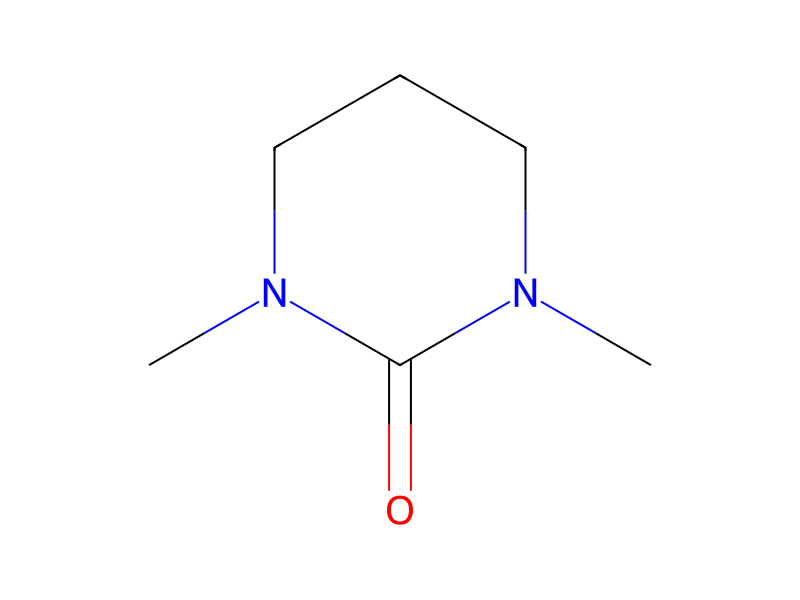
To a solution of N-(4-fluorobenzyl)-4-methyl-2-(2-oxopyrrolidin-1-yl)thiazole-5-carboxamide (0.13 g, 0.38 mmol) in a mixture of anhydrous tetrahydrofuran and 1,3-dimethyl-3,4,5,6-tetrahydro-2(1H)-pyrimidinone (8/1, v/v) at −78° C. was added lithium bis(trimethylsilyl)amide in tetrahydrofuran (0.83 mL, 0.83 mmol) dropwise. The reaction mixture was stirred at −78° C. for 5 minutes, followed by the addition of cyclopropanecarbaldehyde (0.028 mL, 0.38 mmol) dropwise. The reaction mixture was warmed to ambient temperature after 3 hours followed by the addition of aqueous saturated ammonium chloride (10 mL) solution. The mixture was extracted with dichloromethane (3×10 mL). The combined organic solutions were dried over anhydrous sodium sulfate, filtered and concentrated in vacuo. The residue was dissolved in ethyl acetate and hydrogenated in the presence of catalytic amount of Pd/C (20% w/w) at ambient temperature and atmospheric pressure for 1 hour. The reaction mixture was filtered through a bed of celite and the filtrate was concentrated in vacuo. The residue was purified by column chromatography (ethyl acetate/hexanes (1/1)) to afford the title compound as a white solid (0.025 g, 17%): mp 153-155° C. (hexanes/ethyl acetate); 1H NMR (300 MHz, CDCl3) δ 7.34-7.23 (m, 2H), 7.01 (t, J=8.6 Hz, 2H), 5.95 (t, J=5.6 Hz, 1H), 4.52 (d, J=5.6 Hz, 2H), 4.23-4.14 (m, 1H), 3.99-3.90 (m, 1H), 2.87-2.78 (m, 1H), 2.62 (s, 3H), 2.53-2.42 (m, 1H), 2.08-1.94 (m, 1H), 1.79-1.69 (m, 1H), 1.52-1.42 (m, 1H), 0.84-0.69 (m, 1H), 0.53-0.39 (m, 2H), 0.16-0.03 (m, 2H); 13C NMR (75 MHz, CDCl3) δ 175.9, 162.4, 162.3, 155.5, 152.9, 133.7, 129.6, 118.2, 115.7, 46.2, 43.3, 35.5, 24.9, 17.3, 8.6, 4.8, 4.3; MS (ES+) m/z 388.2 (M+1).
Workup
- temperatureThe reaction mixture was warmed to ambient temperature after 3 hours
- extractionThe mixture was extracted with dichloromethane (3×10 mL)
- dry with materialThe combined organic solutions were dried over anhydrous sodium sulfate
- filtrationfiltered
- concentrationconcentrated in vacuo
- dissolutionThe residue was dissolved in ethyl acetate and hydrogenated in the presence of catalytic amount of Pd/C (20% w/w) at ambient temperature
- waitatmospheric pressure for 1 hour
- filtrationThe reaction mixture was filtered through a bed of celite
- concentrationthe filtrate was concentrated in vacuo
- customThe residue was purified by column chromatography (ethyl acetate/hexanes (1/1))
Sources & evidence
- ORD record
- ord-0c69d8971cc542c59cd7d55c1690c586
- Source dataset
- uspto-grants-2012_08
- Patent number
- US08236835B2
Reaction notes
Loading…