Phenylacetaldehyde → 4-Benzyl-3,3-dimethyloxetan-2-one
Reaction equation

[CH3:1][C:2]([CH3:5])=[C:3]=[O:4].[C:6]1([CH2:12][CH:13]=[O:14])[CH:11]=[CH:10][CH:9]=[CH:8][CH:7]=1.C([O-])(O)=O.[Na+]>C(OC(=O)C)C.[Cl-].[Zn+2].[Cl-]>[CH2:12]([CH:13]1[O:14][C:3](=[O:4])[C:2]1([CH3:5])[CH3:1])[C:6]1[CH:11]=[CH:10][CH:9]=[CH:8][CH:7]=1Participants
6
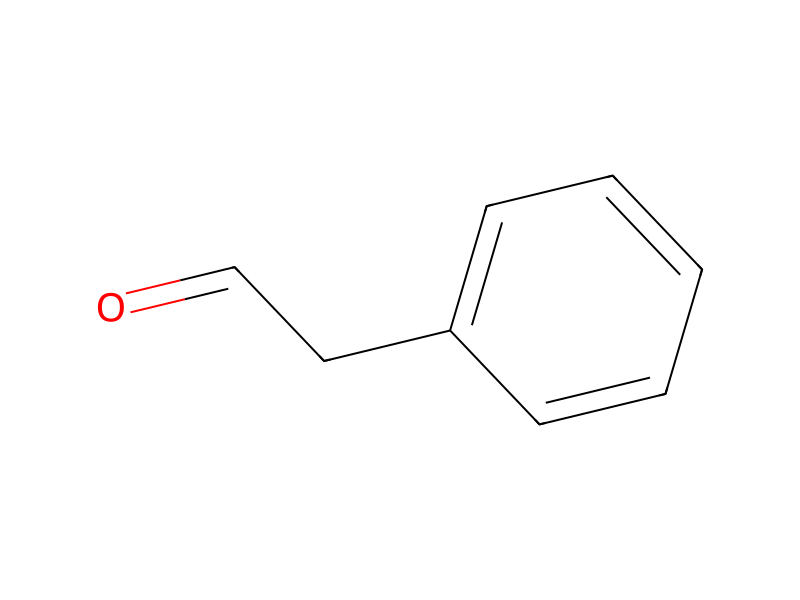





Conditions
- Temperature
- 0 °C
Procedure
2-Methylprop-1-en-1-one (0.04 g, 5.0 mmol) and 2-phenylacetaldehyde (0.60 g, 5.0 mmol) were dissolved in ethylacetate (3.5 mL) and stirred at 0° C. under nitrogen. Zinc(II) chloride (0.03 g, 0.25 mmol) was added quickly and the reaction mixture was kept at 0° C. for a short period and then at room temperature overnight (monitored by TLC). The reaction mixture was then treated at room temperature with a solution of NaHCO3(aq). The organic layers were combined, dried, and concentrated in vacuo, and the crystallization in CH2Cl2:hexane=1:1 gave 4-benzyl-3,3-dimethyloxetan-2-one (0.80 g, 84%).
Workup
- waitthe reaction mixture was kept at 0° C. for a short period
- customat room temperature
- customovernight (monitored by TLC)
- customdried
- concentrationconcentrated in vacuo
- customthe crystallization in CH2Cl2
Sources & evidence
- ORD record
- ord-30b9dd06a5544a14bbbc56339c9afa93
- Source dataset
- uspto-grants-2012_08
- Patent number
- US08242282B2
Reaction notes
Loading…