Iodine → HCID 20077842, compound
Reaction equation

Br[C:2]1[CH:7]=[CH:6][CH:5]=[CH:4][CH:3]=1.[Mg].II.[CH2:11]([N:18]1[CH2:23][CH2:22][N:21]([C:24]2([C:30]#N)[CH2:29][CH2:28][CH2:27][CH2:26][CH2:25]2)[CH2:20][CH2:19]1)C1C=CC=CC=1>O1CCCC1.BrCCBr>[CH2:11]([N:18]1[CH2:19][CH2:20][N:21]([C:24]2([C:30]3[CH:6]=[CH:7][CH:2]=[CH:3][CH:4]=3)[CH2:25][CH2:26][CH2:27][CH2:28][CH2:29]2)[CH2:22][CH2:23]1)[C:2]1[CH:7]=[CH:6][CH:5]=[CH:4][CH:3]=1Participants
7
Reactant 4

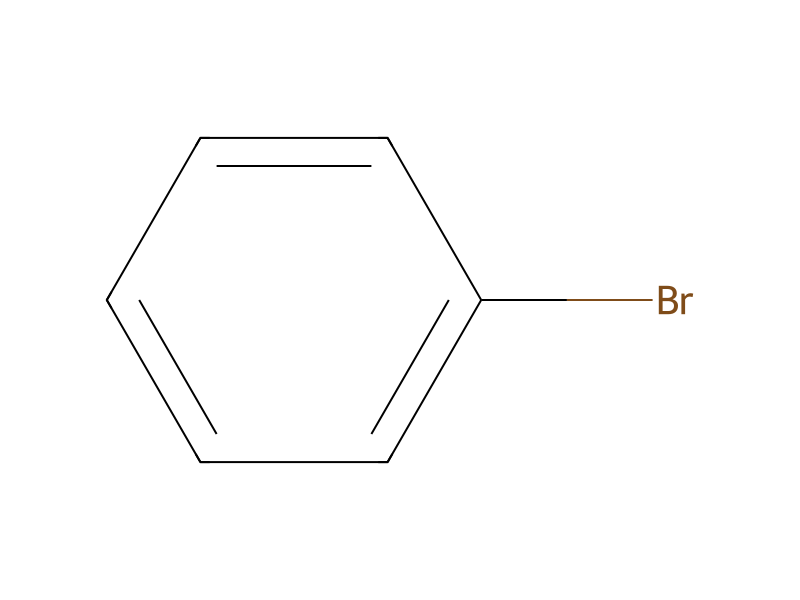


Product 1

Reagents, catalysts & solvents 2


Procedure
To bromobenzene (0.6 g) and magnesium turnings (0.2 g) in 30 ml dry tetrahydrofuran under nitrogen was added a small crystal of iodine and 10 drops of 1,2-dibromoethane. After small bubbles began to form, the reaction was stirred and heated to reflux for 4 hours. After cooling to room temperature, 1-benzyl-4-(1-cyanocyclohexyl)piperazine (1 g) was added. After 23 hours, the reaction was filtered, 20 ml saturated aqueous ammonium chloride was added and the mixture was extracted with diethyl ether. The ether was dried and removed in vacuo. The residue was chromatographed on silica gel eluted with chloroform to yield pure 1-benzyl-4-(1-phenylcyclohexyl)piperazine.
Workup
- customto form
- temperatureheated
- temperatureto reflux for 4 hours
- filtrationthe reaction was filtered
- addition20 ml saturated aqueous ammonium chloride was added
- extractionthe mixture was extracted with diethyl ether
- dry with materialThe ether was dried
- customremoved in vacuo
- customThe residue was chromatographed on silica gel
- washeluted with chloroform
Sources & evidence
- ORD record
- ord-7cacdca12b5d43c194d041a46c6675f4
- Source dataset
- uspto-grants-1992_06
- Patent number
- US05124457
Reaction notes
Loading…