Hydrochloric Acid → 2-Cyclohexen-1-one, 4,4-dimethyl-
Reaction equation

[C:1](Cl)(=[O:3])[CH3:2].[Cl-].[Al+3].[Cl-].[Cl-].[CH2:9]=[CH2:10].Cl.[CH3:12][CH:13]([CH3:16])[CH:14]=O>ClCCCl.C1(C)C=CC(S(O)(=O)=O)=CC=1.O>[CH3:12][C:13]1([CH3:16])[CH2:10][CH2:9][C:1](=[O:3])[CH:2]=[CH:14]1Participants
Reactant 5



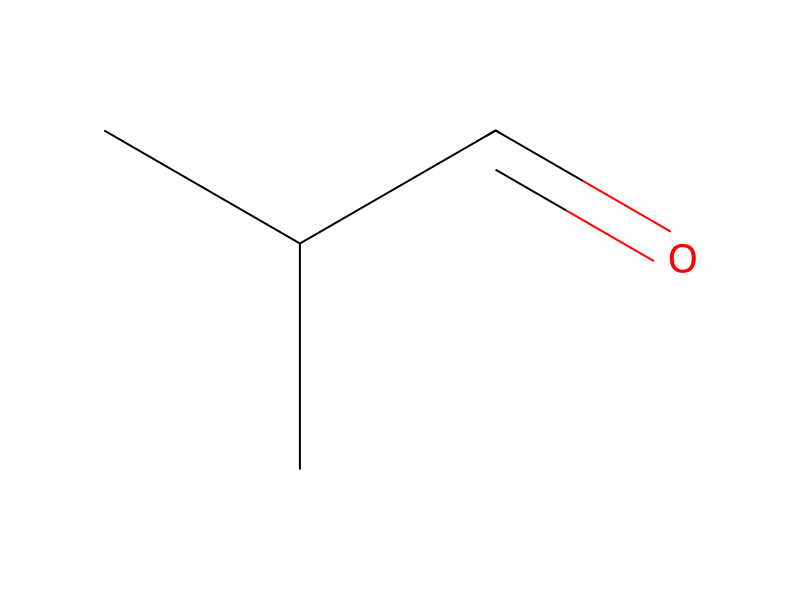

Product 1

Reagents, catalysts & solvents 3



Conditions
- Temperature
- 60 °C
Procedure
Ethanoyl chloride (78.5 g, 1 mole) was added over a period of 30 minutes to a suspension of aluminium chloride (140 g, 1.05 moles) in 1,2-dichloroethane (390 ml) whilst maintaining the temperature below 20° C. by cooling. Ethene (35 g, 1.25 moles) was then passed into the solution at 5°-10° C. over a period of 2 hours and the subsequent mixture worked up by slowly pouring into 2M hydrochloric acid (900 ml). The organic phase was separated and 2-methylpropanal (50.4 g, 0.7 moles) and para-toluenesulphonic acid (0.4 g, 21 mmoles) were added. The mixture was then refluxed with azeotropic water removal until no more water separated. The organic phase was then washed with 10% (w/v) sodium hydroxide (250 ml) by stirring at 60° C. for 15 minutes to destroy any traces of 4-chlorobutan-2-one and the solvent flashed. Fractionation gave 70 g 4,4-dimethylcyclohex-2-en-1-one, b.pt. 70°-72° C. at 20 mm Hg. (Yield: 80%)
Workup
- temperaturewhilst maintaining the temperature below 20° C.
- temperatureby cooling
- customThe organic phase was separated
- customseparated
- washThe organic phase was then washed with 10% (w/v) sodium hydroxide (250 ml)
- customto destroy any traces of 4-chlorobutan-2-one
Sources & evidence
- ORD record
- ord-2dba326a8b9445d1881bba42a70550fd
- Source dataset
- uspto-grants-1992_06
- Patent number
- US05124486
Reaction notes
Loading…