Calcium Chloride → HCID 23337044, compound
Reaction equation

Cl[C:2]1[C:7]2[CH2:8][CH2:9][C:10]3[CH:16]=[C:15]([O:17][CH2:18][CH3:19])[CH:14]=[CH:13][C:11]=3[S:12][C:6]=2[CH:5]=[CH:4][CH:3]=1.[Cu](C#N)[C:21]#[N:22].[Cl-].[Ca+2].[Cl-].O.N>S([O-])([O-])(=O)=O.[Cu+2].O.CN1CCCC1=O>[C:21]([C:2]1[C:7]2[CH2:8][CH2:9][C:10]3[CH:16]=[C:15]([O:17][CH2:18][CH3:19])[CH:14]=[CH:13][C:11]=3[S:12][C:6]=2[CH:5]=[CH:4][CH:3]=1)#[N:22]Participants
Reactant 4



Product 1

Reagents, catalysts & solvents 3


Procedure
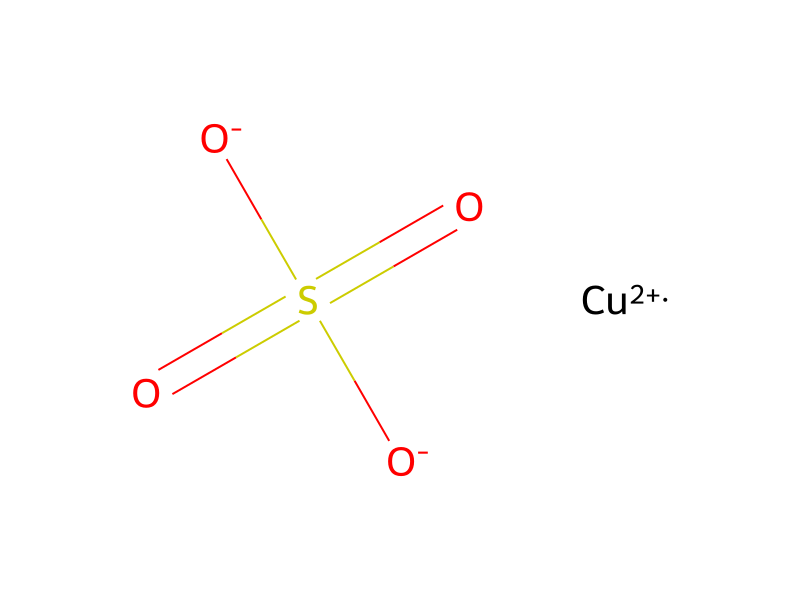
The mixture of 520 mg of 9-chloro-10,11-dihydro-2-ethoxydibenzo-[b,f]thiepin, 0.1 g of copper sulfate, 1 g of copper cyanide and 20 ml of N-methylpyrrolidone was refluxed with stirring for 15 hrs., while preventing the moisture with calcium chloride. After cooling, to this was added 20 ml of conc. ammonia water and 100 ml of water, and the mixture was extracted. The extract was washed with water, dried over anhydrous potassium carbonate and, the solvent was evaporated to obtain the residue. This was chromatographed on silica gel, eluted with the mixed solvent of benzene and n-hexane(4:1) and there was obtained 150 mg of 9-cyano-10,11-dihydro-2-ethoxydibenzo[b,f]thiepin having a melting point of 124° to 126° C. as colorless powdered crystals.
Workup
- temperaturewas refluxed
- temperatureAfter cooling
- extractionthe mixture was extracted
- washThe extract was washed with water
- dry with materialdried over anhydrous potassium carbonate
- customthe solvent was evaporated
- customto obtain the residue
- customThis was chromatographed on silica gel
- washeluted with the mixed solvent of benzene and n-hexane(4:1)
Sources & evidence
- ORD record
- ord-2f5f739c175c41b68374ace887d48431
- Source dataset
- uspto-grants-1980_10
- Patent number
- US04228284
Reaction notes
Loading…