Hydrochloric Acid → HCID 23335330, compound
Reaction equation

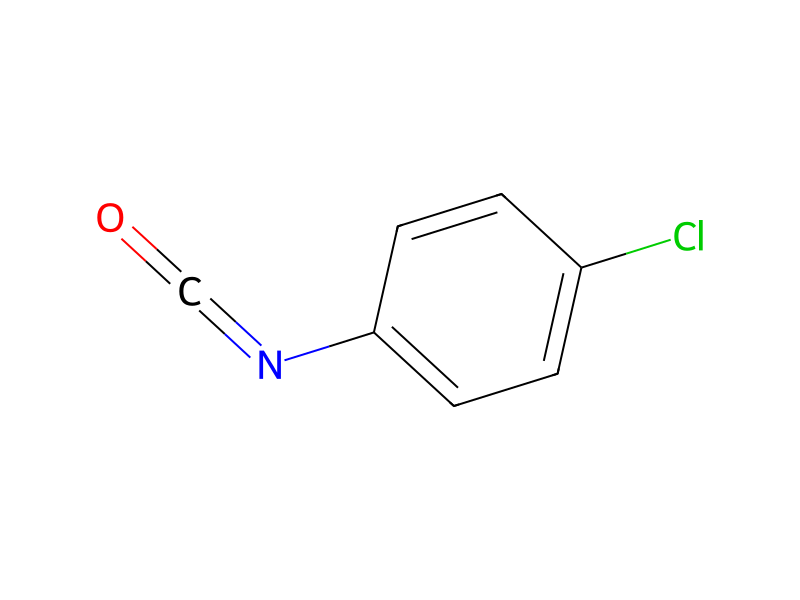
[CH3:1][N:2]1[C:9](=[O:10])[CH2:8][C:6](=[O:7])[N:5]([CH3:11])[C:3]1=[O:4].C([N:14]([CH2:17]C)CC)C.[Cl:19][C:20]1[CH:25]=[CH:24][C:23](N=C=O)=[CH:22][CH:21]=1.Cl.CS(C)=[O:32]>O>[Cl:19][C:20]1[CH:25]=[CH:24][C:23]([C:8]2([C:17](=[O:32])[NH2:14])[C:9](=[O:10])[N:2]([CH3:1])[C:3](=[O:4])[N:5]([CH3:11])[C:6]2=[O:7])=[CH:22][CH:21]=1Participants
7
Reactant 5




Product 1

Reagents, catalysts & solvents 1

Procedure
To a solution of 15.6 g of 1,3-dimethylbarbituric acid in 150 ml of dimethyl sulphoxide were added dropwise 10.1 g of triethylamine at a temperature of 20° to 30° C. and with continual stirring, and thereafter 15.6 g of 4-chlorophenylisocyanate, dissolved in a small amount of dimethyl sulphoxide. The reaction mixture was stirred for a further 24 hours at room temperature and then poured into a solution of 15 ml of conc. hydrochloric acid in 350 ml of water. The resultant condensation product was collected with suction and recrystallised from dioxan, giving the compound of the formula ##STR6## with a melting point of 225°-227° C.
Workup
- customThe resultant condensation product
- customwas collected with suction
- customrecrystallised from dioxan
- customgiving the compound of the formula ##STR6## with a melting point of 225°-227° C.
Sources & evidence
- ORD record
- ord-fea30b30689d4e4a8ba9fb488ccb6efd
- Source dataset
- uspto-grants-1980_10
- Patent number
- US04229454
Reaction notes
Loading…