Hydrochloric Acid → HCID 13565190, compound
Reaction equation

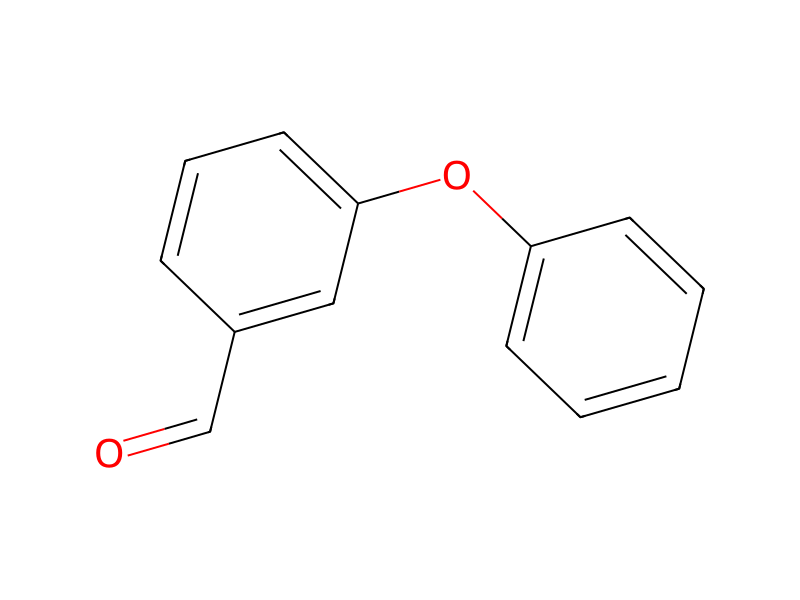
[NH:1]1[CH2:5][CH2:4][CH2:3][CH2:2]1.Cl.[O:7]([C:14]1[CH:15]=[C:16]([CH:19]=[CH:20][CH:21]=1)[CH:17]=O)[C:8]1[CH:13]=[CH:12][CH:11]=[CH:10][CH:9]=1.[C-:22]#[N:23].[Na+]>O.ClCCl>[N:1]1([CH:17]([C:16]2[CH:19]=[CH:20][CH:21]=[C:14]([O:7][C:8]3[CH:13]=[CH:12][CH:11]=[CH:10][CH:9]=3)[CH:15]=2)[C:22]#[N:23])[CH2:5][CH2:4][CH2:3][CH2:2]1Participants
Reactant 4



Product 1

Reagents, catalysts & solvents 2


Procedure
A solution of pyrrolidine (2.13 g, 30 mmole) in water (10 ml) was neutralised with concentrated hydrochloric acid. 3-Phenoxybenzaldehyde (3.96 g; 20 mmole) was added to the stirred solution followed by sodium cyanide (1.5 g; 30 mmole) and "Teric" N8 (5 drops of a 10% aqueous solution). The mixture was stirred vigorously for a period of 1 hour and then dichloromethane (50 ml) was added. The organic phase was separated, washed with water and dried over anhydrous sodium sulfate. The solvent was removed by distillation under reduced pressure to give the title compound as a yellow oil (5.0 g). Proton magnetic resonance spectrum (CDCl3 ; δ in ppm): 1.8 (4H, m, pyrrolidine ring β-protons); 2.6 (4H, m, pyrrolidine ring α-protons); 5.0 (1H, s, CH); 7.0-7.6 (9H, m, aromatic protons). Infra-red spectrum (liquid film; νmax in cm-1): 2950 (m) (m); 2800(m); 1580(s); 1480(s); 1240(s); 840(m); 740(m).
Workup
- customThe organic phase was separated
- washwashed with water
- dry with materialdried over anhydrous sodium sulfate
- customThe solvent was removed by distillation under reduced pressure
Sources & evidence
- ORD record
- ord-8575d2b0f0bf43d6953739254a5f4fef
- Source dataset
- uspto-grants-1983_12
- Patent number
- US04420614
Reaction notes
Loading…