Triethylamine → HCID 22608980, compound
Reaction equation

Br.[C:2]([N:8]1[CH2:13][CH2:12][NH:11][CH2:10][CH2:9]1)(=[O:7])[CH2:3][C:4]([CH3:6])=[O:5].C(N(CC)CC)C.[C:21](Cl)(=[O:25])[C:22]([CH3:24])=[CH2:23]>CN(C)C=O.CC1C=CC(S(NC2C=CC(NC3C=CC=CC=3)=CC=2)(=O)=O)=CC=1>[C:2]([N:8]1[CH2:13][CH2:12][N:11]([C:21](=[O:25])[C:22]([CH3:24])=[CH2:23])[CH2:10][CH2:9]1)(=[O:7])[CH2:3][C:4]([CH3:6])=[O:5]Participants
6
Reactant 3

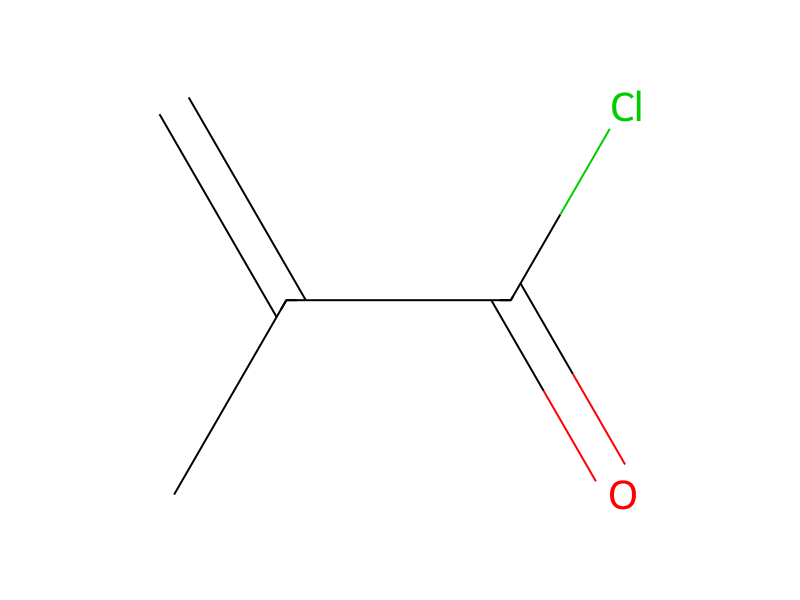

Product 1

Reagents, catalysts & solvents 2


Procedure
Crude 1-acetoacetylpiperazine hydrobromide (50 g, 0.2 mole) was dissolved in N,N-dimethylformamide (300 ml) with Aranox® (50 mg) (available from U.S. Rubber Co.). Triethylamine (50 g, 0.5 mole) was added at 0° C., followed immediately by the dropwise addition of methacryloyl chloride (20.8 g, 0.2 mole) at 0° C. The reaction solution was then allowed to reach 20° C. over a 20 hour period. The reaction solution was filtered and the solvent was removed at low vacuum. The residue was distilled to give 4-acetoacetyl-1-methacryloylpiperazine (b.p.=110°-129° C./10-8μ) at a yield of 56%.
Workup
- filtrationThe reaction solution was filtered
- customthe solvent was removed at low vacuum
- distillationThe residue was distilled
Sources & evidence
- ORD record
- ord-3d678fd9b8494b5eb164cd19ab180f2f
- Source dataset
- uspto-grants-1983_12
- Patent number
- US04421915
Reaction notes
Loading…