Benzophenone oxime → Gamma-Butyrolactone
Reaction equation

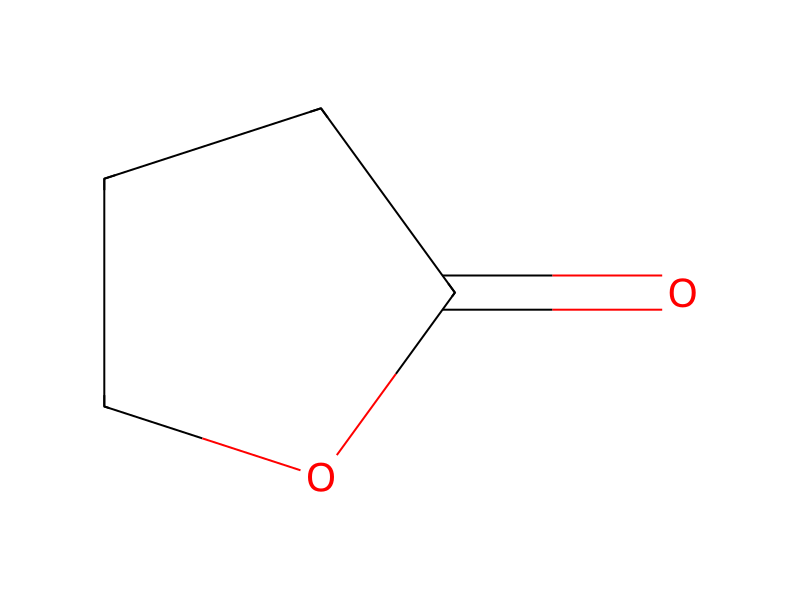
NO[CH2:3][CH2:4][CH2:5][C:6]([OH:8])=[O:7].NOC[CH2:12][CH2:13][CH2:14][C:15]([OH:17])=[O:16].[C:18](=[N:31][OH:32])([C:25]1[CH:30]=[CH:29][CH:28]=[CH:27][CH:26]=1)[C:19]1[CH:24]=[CH:23][CH:22]=[CH:21][CH:20]=1.[Na]>CN1CCCC1=O>[C:6]1(=[O:7])[O:8][CH2:3][CH2:4][CH2:5]1.[C:19]1([C:18]([C:25]2[CH:30]=[CH:29][CH:28]=[CH:27][CH:26]=2)=[N:31][O:32][CH2:12][CH2:13][CH2:14][C:15]([OH:17])=[O:16])[CH:20]=[CH:21][CH:22]=[CH:23][CH:24]=1Participants
7






Procedure
The synthesis of 4-aminooxybutyric acid and 5-aminooxyvaleric acid are described in Tetrahedron, 23, 4441 (1967). Benzophenone oxime in N-methylpyrrolidone is reacted first with sodium then with γ-butyrolactone to provide N-diphenylmethylidene-4-aminooxybutyric acid which is subsequently hydrolyzed to form 4-aminooxybutyric acid. 5-aminooxyvaleric acid hydrochloric acid salt is prepared similarly by substituting γ-butyrolactone with γ-valerolactone. Aminooxyacetic acid is available as the hemihydrochloride from a commercial source.
Sources & evidence
- ORD record
- ord-5c8909a6232d4bfc9dc04a6d97caf11d
- Source dataset
- uspto-grants-1983_12
- Patent number
- US04423068
Reaction notes
Loading…