Triethylamine → 1-(4-Aminophenyl)pyrrolidine-3-carbonitrile
Reaction equation

[N+:1]([C:4]1[CH:9]=[CH:8][C:7]([N:10]2[CH2:14][CH2:13][CH:12](O)[CH2:11]2)=[CH:6][CH:5]=1)([O-])=O.CS(Cl)(=O)=O.[CH2:21]([N:23](CC)CC)C.[C-]#N.[Na+]>C1COCC1.CN1CCCC1=O>[NH2:1][C:4]1[CH:9]=[CH:8][C:7]([N:10]2[CH2:14][CH2:13][CH:12]([C:21]#[N:23])[CH2:11]2)=[CH:6][CH:5]=1Participants
7
Reactant 4

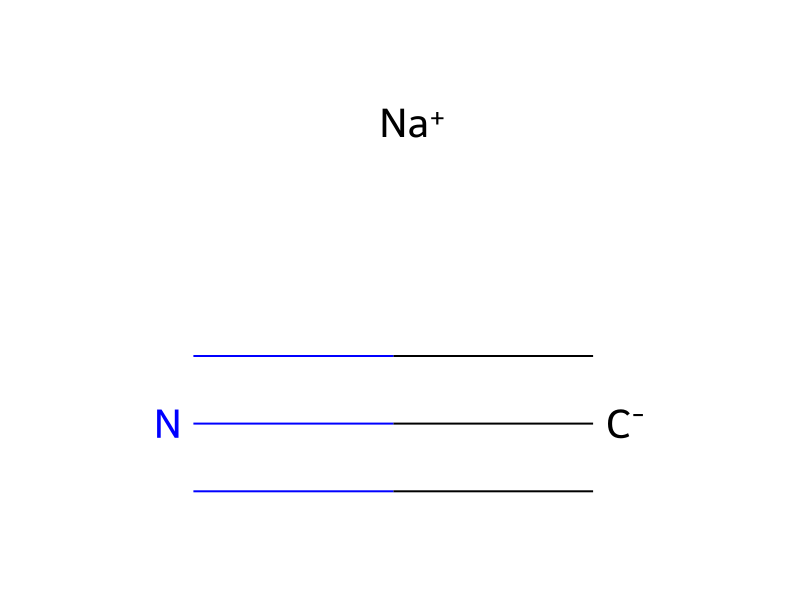


Product 1

Reagents, catalysts & solvents 2


Procedure
1-(4-Nitrophenyl)pyrrolidin-3-ol and methanesulfonyl chloride were allowed to undergo the reaction in THF in the presence of triethylamine. The resulting compound and sodium cyanide were allowed to undergo the reaction in 1-methyl-2-pyrrolidone under heating. The resulting compound was subjected to catalytic hydrogenation in the same manner as shown in Reference Example 3 to obtain 1-(4-aminophenyl)pyrrolidine-3-carbonitrile. NMR2: 1.48 (9H, s), 3.12-3.19 (2 H, m), 6.46-6.50 (2 H, m).
Workup
- temperatureunder heating
Sources & evidence
- ORD record
- ord-2c6cf2bf89e8424bb62c6bcd5e288171
- Source dataset
- uspto-grants-2011_09
- Patent number
- US08012959B2
Reaction notes
Loading…