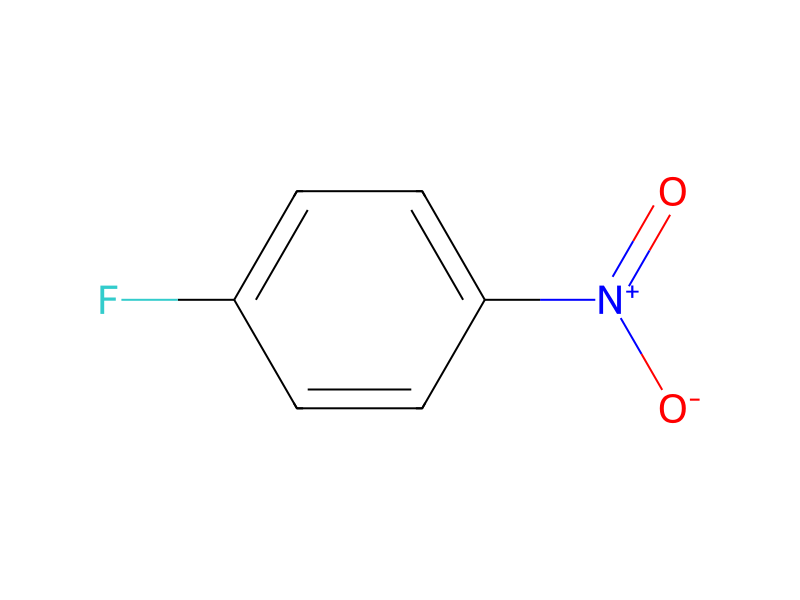
p-Fluoronitrobenzene → HCID 1472673, compound
Reaction equation

F[C:2]1[CH:7]=[CH:6][C:5]([N+:8]([O-])=O)=[CH:4][CH:3]=1.Cl.[NH:12]1[CH2:17][CH2:16][C:15](=O)[CH2:14][CH2:13]1.C(=O)([O-])[O-].[K+].[K+].[H-].[Na+].C(OP([CH2:35][C:36]([O:38][CH2:39][CH3:40])=[O:37])(OCC)=O)C>C1COCC1>[CH2:39]([O:38][C:36](=[O:37])[CH2:35][CH:15]1[CH2:16][CH2:17][N:12]([C:2]2[CH:7]=[CH:6][C:5]([NH2:8])=[CH:4][CH:3]=2)[CH2:13][CH2:14]1)[CH3:40]Participants
7





Procedure
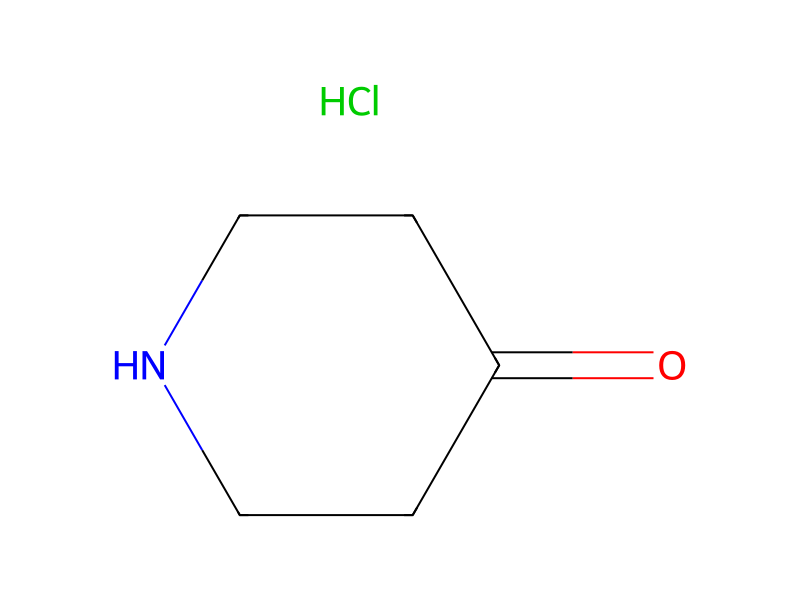
4-Fluoronitrobenzene and piperidin-4-one hydrochloride were allowed to undergo the reaction in THF in the presence of potassium carbonate. The resulting compound was allowed to react with sodium hydride and ethyl diethylphosphonoacetate in THF. The resulting compound was subjected to catalytic hydrogenation in the same manner as shown in Reference Example 3 to obtain [1-(4-aminophenyl)piperidin-4-yl]acetic acid ethyl ester. NMR2: 1.27 (3 H, t, J=7.2 Hz), 2.33 (2 H, d, J=7.2 Hz), 6.66-6.89 (2H, m).
Sources & evidence
- ORD record
- ord-58458b34f7474e44be48b289b3e3a63b
- Source dataset
- uspto-grants-2011_09
- Patent number
- US08012959B2
Reaction notes
Loading…