4-Toluenesulfonyl chloride → Cyclohexyl p-toluenesulfonate
Reaction equation

[CH:1]1([OH:7])[CH2:6][CH2:5][CH2:4][CH2:3][CH2:2]1.N12CCN(CC1)CC2.[S:16](Cl)([C:19]1[CH:25]=[CH:24][C:22]([CH3:23])=[CH:21][CH:20]=1)(=[O:18])=[O:17]>C(OCC)(=O)C>[CH:1]1([O:7][S:16]([C:19]2[CH:25]=[CH:24][C:22]([CH3:23])=[CH:21][CH:20]=2)(=[O:18])=[O:17])[CH2:6][CH2:5][CH2:4][CH2:3][CH2:2]1Participants
5
Reactant 3

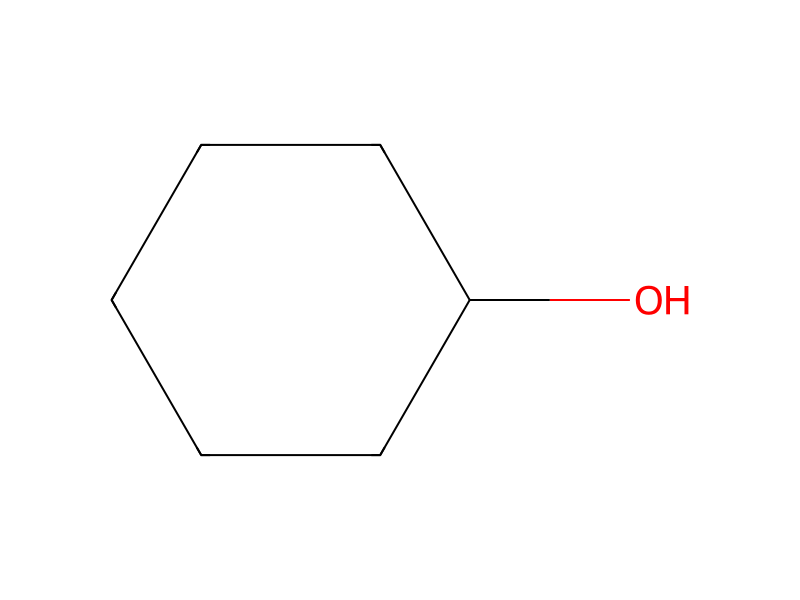

Product 1

Reagents, catalysts & solvents 1

Procedure
5.0 g (0.05 mol) cyclohexanol and 11.2 g (0.1 mol) 1,4-diazabicyclo[2.2.2]octane are added to 50 mL ethyl acetate. This solution is cooled in an ice bath and 14.3 g (0.075 mol) tosyl chloride in 30 ml ethyl acetate is added drop-wise over 15 minutes. The ice bath is removed and the mixture is allowed to stir at room temperature for 4 days. After this time the solid precipitate is filtered and washed. The ethyl acetate filtrate and washings are then combined and washed successively with 10% HCl, saturated aq NaHCO3 and brine. The ethyl acetate is then evaporated and the resulting oil is purified by column chromatography to yield 11.5 g (90%) of cyclohexyl-p-toluenesulfonate.
Workup
- temperatureThis solution is cooled in an ice bath
- customThe ice bath is removed
- filtrationAfter this time the solid precipitate is filtered
- washwashed
- washwashed successively with 10% HCl, saturated aq NaHCO3 and brine
- customThe ethyl acetate is then evaporated
- customthe resulting oil is purified by column chromatography
Sources & evidence
- ORD record
- ord-6315cfb6809c4fa99f05c997d6088221
- Source dataset
- uspto-grants-2011_09
- Patent number
- US08021820B2
Reaction notes
Loading…