Propanal → 4-Nitro-3-hexanol
Reaction equation

[N+:1](CCC)([O-:3])=[O:2].[CH2:7]1[CH2:17][CH2:16]N2[C:10](=NCCC2)[CH2:9][CH2:8]1.C(=[O:21])CC>C(OCC)(=O)C>[OH:21][CH:7]([CH2:17][CH3:16])[CH:8]([N+:1]([O-:3])=[O:2])[CH2:9][CH3:10]Participants
5
Reactant 3
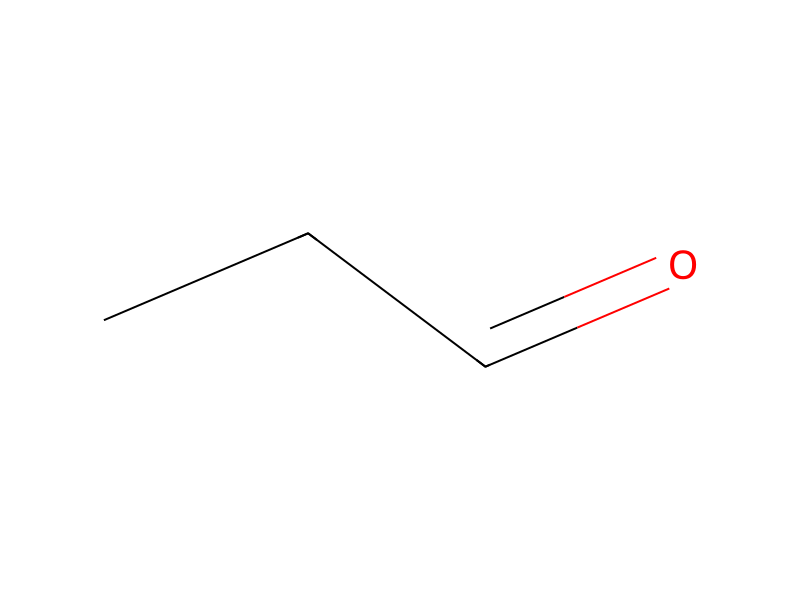


Product 1

Reagents, catalysts & solvents 1

Procedure
A reaction vessel was replaced with nitrogen, and 1-nitropropane (8.93 ml, 100 mmol) and dry-THF (50 ml) were added. After DBU (1,8-diazabicyclo[5.4.0]-7-undecene) (1.5 ml, 10 mmol) had been added, propionaldehyde (4.68 ml, 100 mmol) was added while the vessel was cooled in an ice bath. After the mixture had been stirred at room temperature for 10 hours, ethyl acetate (100 ml) was added, and the whole was washed with dilute hydrochloric acid, water, and a saturated salt solution. The organic layer was dried with anhydrous sodium sulfate and concentrated under reduced pressure to yield 4-hydroxy-3-nitrohexane (12.33 g, 84% yield).
Workup
- dry with materialdry-THF (50 ml)
- additionwere added
- temperaturewas cooled in an ice bath
- washthe whole was washed with dilute hydrochloric acid, water
- dry with materialThe organic layer was dried with anhydrous sodium sulfate
- concentrationconcentrated under reduced pressure
Sources & evidence
- ORD record
- ord-d86b3209a13340678209556d5317e7fd
- Source dataset
- uspto-grants-2011_09
- Patent number
- US08021915B2
Reaction notes
Loading…