Pyridine → Fmoc-4-aminobenzylalcohol
Reaction equation

[NH2:1][C:2]1[CH:7]=[CH:6][C:5]([CH2:8][OH:9])=[CH:4][CH:3]=1.[C:10](Cl)([O:12][CH2:13][CH:14]1[C:26]2[C:21](=[CH:22][CH:23]=[CH:24][CH:25]=2)[C:20]2[C:15]1=[CH:16][CH:17]=[CH:18][CH:19]=2)=[O:11].N1C=CC=CC=1>C1COCC1.C(OCC)(=O)C>[CH:25]1[C:26]2[CH:14]([CH2:13][O:12][C:10](=[O:11])[NH:1][C:2]3[CH:7]=[CH:6][C:5]([CH2:8][OH:9])=[CH:4][CH:3]=3)[C:15]3[C:20](=[CH:19][CH:18]=[CH:17][CH:16]=3)[C:21]=2[CH:22]=[CH:23][CH:24]=1Participants
6
Reactant 3


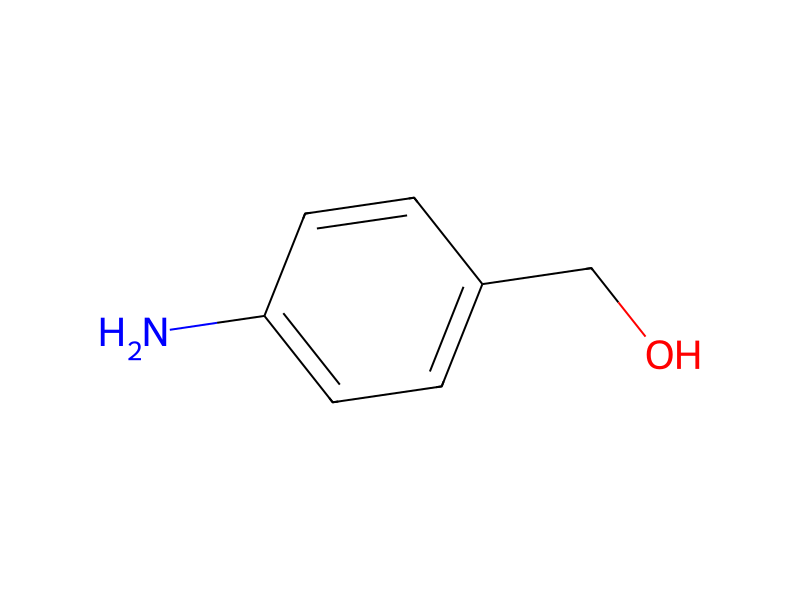
Product 1

Reagents, catalysts & solvents 2


Procedure
A mixture of (4-amino-phenyl)-methanol (500 mg), Fmoc-Cl (1.2 g) and pyridine (1 ml) in THF (15 ml) was stirred for 1 h. The reaction mixture was diluted with ethyl acetate and washed with water. The organic layer was separated, dried (MgSO4), filtered and concentrated in vacuo. The residue was recrystallized from dichloromethane. Yield: 470 mg. MS-ESI: [M+H]+=346.
Workup
- washwashed with water
- customThe organic layer was separated
- dry with materialdried (MgSO4)
- filtrationfiltered
- concentrationconcentrated in vacuo
- customThe residue was recrystallized from dichloromethane
Sources & evidence
- ORD record
- ord-7563f540b6754a238eb7f293cb006d8e
- Source dataset
- uspto-grants-2011_09
- Patent number
- US08022218B2
Reaction notes
Loading…