Potassium Phosphate, Tribasic → HCID 67385434, compound
Reaction equation

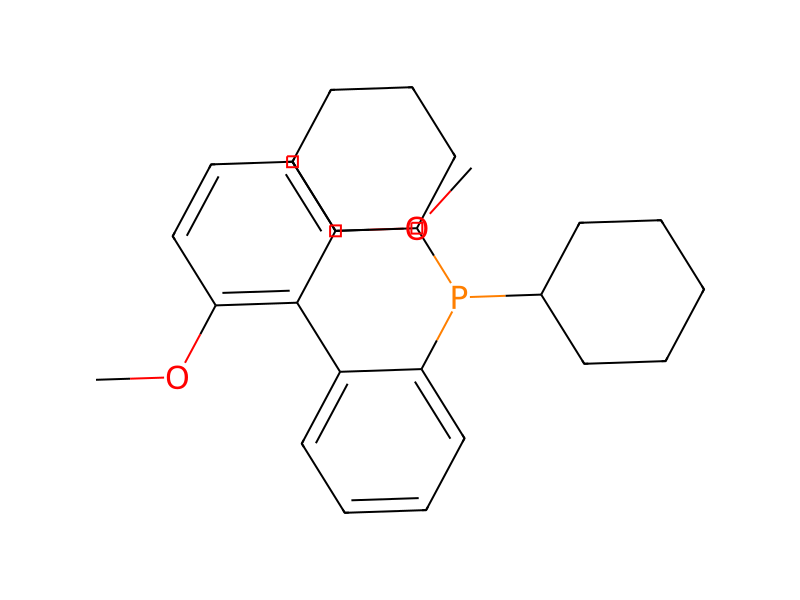
[CH3:1][O:2][C:3]1[CH:40]=[CH:39][C:6]([CH2:7][N:8]([CH2:30][C:31]2[CH:36]=[CH:35][C:34]([O:37][CH3:38])=[CH:33][CH:32]=2)[C:9]2[N:14]=[CH:13][C:12]([C:15]3[C:16]4[CH2:29][CH2:28][NH:27][C:17]=4[N:18]=[C:19]([N:21]4[CH2:26][CH2:25][O:24][CH2:23][CH2:22]4)[N:20]=3)=[CH:11][N:10]=2)=[CH:5][CH:4]=1.COC1C=CC=C(OC)C=1C1C=CC=CC=1P(C1CCCCC1)C1CCCCC1.[C:70]([NH:74][C:75](=[O:83])[C:76]1[CH:81]=[C:80](Cl)[CH:79]=[CH:78][N:77]=1)([CH3:73])([CH3:72])[CH3:71].P([O-])([O-])([O-])=O.[K+].[K+].[K+]>CN(C)C=O.O.C([O-])(=O)C.[Pd+2].C([O-])(=O)C>[C:70]([NH:74][C:75]([C:76]1[CH:81]=[C:80]([N:27]2[C:17]3[N:18]=[C:19]([N:21]4[CH2:26][CH2:25][O:24][CH2:23][CH2:22]4)[N:20]=[C:15]([C:12]4[CH:11]=[N:10][C:9]([N:8]([CH2:7][C:6]5[CH:5]=[CH:4][C:3]([O:2][CH3:1])=[CH:40][CH:39]=5)[CH2:30][C:31]5[CH:32]=[CH:33][C:34]([O:37][CH3:38])=[CH:35][CH:36]=5)=[N:14][CH:13]=4)[C:16]=3[CH2:29][CH2:28]2)[CH:79]=[CH:78][N:77]=1)=[O:83])([CH3:73])([CH3:71])[CH3:72]Participants
Reactant 4



Product 1

Reagents, catalysts & solvents 3



Procedure
Bis-(4-methoxy-benzyl)-[5-(2-morpholin-4-yl-6,7-dihydro-5H-pyrrolo[2,3-d]pyrimidin-4-yl)-pyrimidin-2-yl]-amine (81 mg), palladium acetate (1.7 mg), S-Phos (6.2 mg), 4-chloropicolinic acid t-butylamide (64 mg) and potassium phosphate (64 mg) were stirred in dimethylformamide (1.5 ml) under an argon atmosphere at 100° C. for 2 days. The reaction mixture was cooled to room temperature, and subsequently diluted with water (20 ml), followed by extraction with ethyl acetate (10 ml). The organic layer was washed with brine, and dried over sodium sulfate. After filtering off the drying agent, the filtrate was concentrated under reduced pressure, and the resulting residue was purified by silica gel column chromatography (hexane/ethyl acetate=5/0 to 3/1), to obtain 4-(4-{2-[bis-(4-methoxy-benzyl)-amino]-pyrimidin-5-yl}-2-morpholin-4-yl-5,6-dihydro-pyrrolo[2,3-d]pyrimidin-7-yl)-pyridine-2-carboxylic acid tert-butylamide as a pale yellow solid (44 mg, 41%). The above compound was dissolved in trifluoroacetic acid (3 ml), and refluxed for 5 hours in the presence of N-acetylcysteine (33 mg, 3.3 equivalents). The reaction mixture was concentrated under reduced pressure, and water (2 ml) was added to the resulting residue, followed by neutralization with saturated sodium bicarbonate water. The resulting precipitate was filtered and dried, and purified by amino silica gel column chromatography (dichloromethane), to obtain a colorless powder (17 mg, 58%).
Workup
- extractionfollowed by extraction with ethyl acetate (10 ml)
- washThe organic layer was washed with brine
- dry with materialdried over sodium sulfate
- filtrationAfter filtering off the drying agent
- concentrationthe filtrate was concentrated under reduced pressure
- customthe resulting residue was purified by silica gel column chromatography (hexane/ethyl acetate=5/0 to 3/1)
Sources & evidence
- ORD record
- ord-a3d5bf1791b1490fb24f9d2b9c9856ca
- Source dataset
- uspto-grants-2011_09
- Patent number
- US08022205B2
Reaction notes
Loading…