Ammonium Chloride → HCID 22934973, compound
Reaction equation

C1(C)C=C(C)C=C(C)C=1Br.C([Li])(C)(C)C.[CH3:16][O:17][C:18]1[CH:23]=[CH:22][CH:21]=[CH:20][N:19]=1.[CH3:24][O:25][C:26]1[CH:33]=[CH:32][C:29]([CH:30]=[O:31])=[CH:28][CH:27]=1.[Cl-].[NH4+]>O1CCCC1>[CH3:24][O:25][C:26]1[CH:33]=[CH:32][C:29]([CH:30]([C:23]2[C:18]([O:17][CH3:16])=[N:19][CH:20]=[CH:21][CH:22]=2)[OH:31])=[CH:28][CH:27]=1Participants

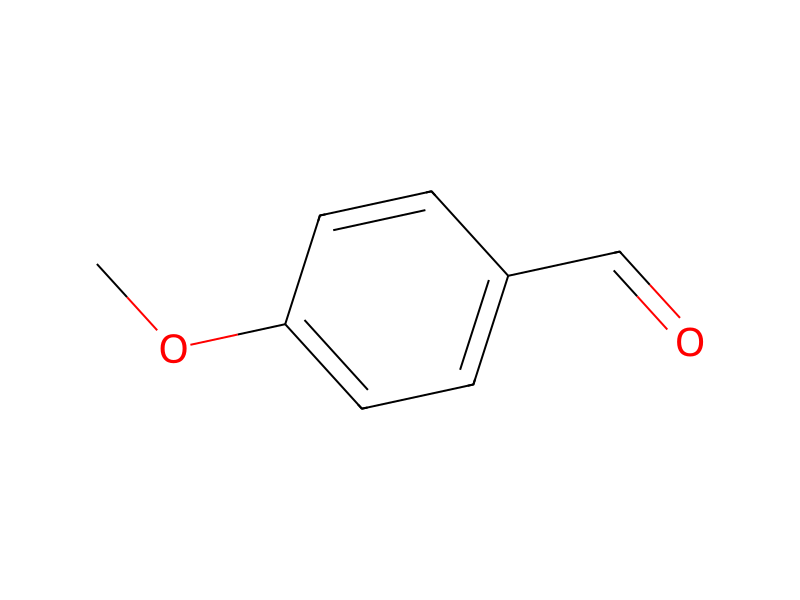



Conditions
- Temperature
- 0 °C
Procedure
To a solution of mesityl bromide (0.77 g) in tetrahydrofuran(2.6 mL) was added tert-butyllithium (1.48 mol/L solution in pentane, 5.3 mL) at −78° C. under an argon atmosphere, and the mixture was stirred for 1 hour. To the reaction mixture was added a solution of 2-methoxypyridine (0.33 g) in tetrahydofuran (3 mL). The temperature was raised to 0° C., and the mixture was stirred for 1 hour. The temperature was raised to room temperature, and the reaction mixture was stirred for additionally 1 hour. To the reaction mixture was added a solution of 4-methoxybenzaldehyde (0.57 g) in tetrahydrofuran (4.2 mL), and the mixture was stirred for 1 hour. To the reaction mixture was added saturated aqueous ammonium chloride solution, and the mixture was extracted with diethyl ether. The organic layer was washed with water and brine, and dried over anhydrous sodium sulfate. The solvent was removed under reduced pressure, and the residue was purified by column chromatography on silica gel (eluent: hexane/ethyl acetate=3/1-2/1) to give 4-methoxyphenyl 2-methoxypyridin-3-yl methanol (0.43 g). To a solution of the obtained 4-methoxyphenyl 2-methoxypyridin-3-yl methanol (0.41 g) in acetic acid (2.1 mL) was added 10% palladium carbon powder (0.21 g), and the mixture was stirred for 10 hours at room temperature under a hydrogen atmosphere. The insoluble material was removed by filtration, and the filtrate was concentrated under reduced pressure. The residue was purified by column chromatography on silica gel (eluent: hexane/ethyl acetate=5/1-4/1) to give 2-methoxy-3-(4-methoxybenzyl)-pyridine (0.29 g). To a solution of the obtained 2-methoxy-3-(4-methoxybenzyl)pyridine (0.023 g) in dichloromethane (0.5 mL) was added boron trichloride (1 mol/L solution in dichloromethane, 0.06 mL) at 0° C. The temperature was raised to room temperature, and the mixture was stirred for 1 hour. After boron trichloride (1 mol/L solution in dichloromethane, 0.06 mL) was added to the reaction mixture, the mixture was stirred for additionally 15 hours. To the reaction mixture was added water, and the mixture was extracted with a mixture of dichloromethane and ethanol (10/1). The organic layer was dried over anhydrous sodium sulfate, and the solvent was removed under reduced pressure. The residue was purified by preparative thin layer chromatography on silica gel (developing solvent: dichloromethane/methanol=8/1) to give 3-(4-methoxy-benzyl)-1H-pyridin-2-one (0.0017 g).
Workup
- stirringthe mixture was stirred for 1 hour
- temperatureThe temperature was raised to room temperature
- stirringthe reaction mixture was stirred for additionally 1 hour
- stirringthe mixture was stirred for 1 hour
- extractionthe mixture was extracted with diethyl ether
- washThe organic layer was washed with water and brine
- dry with materialdried over anhydrous sodium sulfate
- customThe solvent was removed under reduced pressure
- customthe residue was purified by column chromatography on silica gel (eluent: hexane/ethyl acetate=3/1-2/1)
Sources & evidence
- ORD record
- ord-509ef5213b0148ac9389eaec3c54ef67
- Source dataset
- uspto-grants-2007_09
- Patent number
- US07271153B2
Reaction notes
Loading…