Water → Dexlansoprazole
Reaction equation

[CH3:1][C:2]1[C:3]([CH2:14][S:15][C:16]2[NH:17][C:18]3[CH:24]=[CH:23][CH:22]=[CH:21][C:19]=3[N:20]=2)=[N:4][CH:5]=[CH:6][C:7]=1[O:8][CH2:9][C:10]([F:13])([F:12])[F:11].O.C(C(C(C(OCC)=O)O)O)(OCC)=[O:27].C(N(C(C)C)CC)(C)C.S([O-])([O-])(=O)=S.[Na+].[Na+]>CC(C)[O-].[Ti+4].CC(C)[O-].CC(C)[O-].CC(C)[O-].C1(C)C=CC=CC=1>[CH3:1][C:2]1[C:3]([CH2:14][S@:15]([C:16]2[NH:20][C:19]3[CH:21]=[CH:22][CH:23]=[CH:24][C:18]=3[N:17]=2)=[O:27])=[N:4][CH:5]=[CH:6][C:7]=1[O:8][CH2:9][C:10]([F:12])([F:11])[F:13]Participants
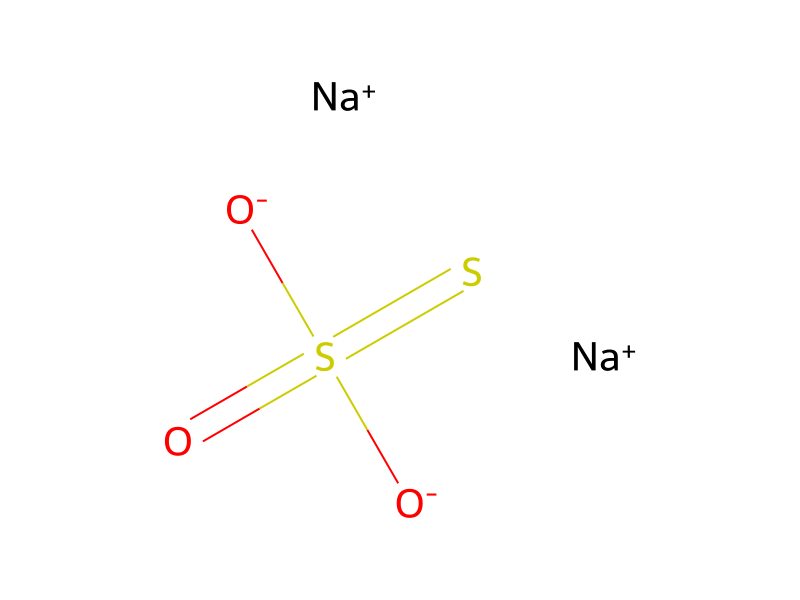
Reactant 5




Product 1

Reagents, catalysts & solvents 2


Procedure
In a stream of nitrogen, 2-[[[3-methyl-4-(2,2,2-trifluoroethoxy)-2-pyridyl]methyl]thio]benzimidazole (4.5 kg, 12.7 mol, water content of 1.89 g), toluene (22 L), water (25 g, 1.39 mol, total water content of 1.49 mol) and (+)-diethyl tartrate (0.958 L, 5.60 mol) were mixed. In a stream of nitrogen, to the mixture was added titanium(IV) isopropoxide (0.747 L, 2.53 mol) at 50 to 60° C., and stirred for 30 minutes at the same temperature. In a stream of nitrogen, to the resulting mixture liquid was added diisopropylethylamine (0.733 L, 4.44 mol) at a room temperature, further added cumenehydroperoxide (6.88 L, content of 82%, 37.5 mol) at −5 to 5° C., and stirred at −5 to 5° C. for 1.5 hours to obtain a liquid reaction mixture. In a stream of nitrogen, to the reaction liquid was added 30% sodium thiosulfate aqueous solution (17 L) to decompose residual cumenehydroperoxide. The reaction liquid was phase-separated, and water (4.5 L), heptane (13.5 L), t-butyl methyl ether (18 L) and heptane (27 L) were successively added to the resulting organic phase, and the mixture was subjected to crystallization under stirring. The resulting crystal was separated and washed with t-butyl methyl ether-toluene (t-butyl methyl ether:toluene=4:1) (4 L). Under stirring, an acetone (20 L) suspension of the wet crystal was added dropwise to a liquid mixture of acetone (7 L) and water (34 L), and then added water (47 L) thereto. The precipitated crystal was separated and washed with acetone-water (acetone:water=1:3) (4 L) and with water (12 L). The wet crystal was dissolved in ethyl acetate (45 L) and water (3 L) to be phase-separated. A slight amount of insoluble matter (undissolved material) in an organic phase was filtrated off, and then triethylamine (0.2 L) was added to the organic phase and concentrated under a reduced pressure until the liquid volume of the organic phase was to about 7 L. To the resultant condensate were added methanol (2.3 L), about 12.5% aqueous ammonia (23 L) at about 50° C. and t-butyl methyl ether (22 L) at about 50° C. to be phase-separated. To the resultant organic phase was added about 12.5% aqueous ammonia (11 L) to be phase-separated (the operation was repeated once). The aqueous phases were combined with each other, ethyl acetate (22 L) was added thereto, and under cooling, acetic acid was added dropwise thereto for adjusting pH to about 8. The resulting liquid was phase-separated and the resultant aqueous phase was extracted with ethyl acetate (11 L). The organic phases were combined with each other, and washed with about 20% brine (11 L). After adding triethylamine (0.2 L), the organic phase was concentrated under a reduced pressure. To the concentrate was added acetone (5 L) and concentrated under a reduced pressure. The resulting concentrate was dissolved in acetone (9 L), the resulting mixture was added dropwise to a mixture liquid of acetone (4.5 L) and water (22.5 L), and then water (18 L) was added dropwise thereto. The precipitated crystal was separated, and was washed with cold acetone-water (acetone:water=1:3) (3 L) and water (12 L), successively. The wet crystal was dissolved in ethyl acetate (32 L). The separated aqueous phase was separated by separation operation, and the resulting organic phase was concentrated under a reduced pressure until the liquid volume became to be about 14 L. To the residue were added ethyl acetate (36 L) and active carbon (270 g), and after stirring, active carbon was filtered off. The resultant filtrate was concentrated under a reduced pressure until the liquid volume was to about 14 L. To the concetrate was added dropwise heptane (90 L) at about 40° C. After stirring at the same temperature for about 30 minutes, the resultant crystal was separated, and washed with ethyl acetate-heptane (ethyl acetate:heptane=1:8, 6L) at about 40° C. After drying, the title compound (3.4 kg) was obtained. The enantiomer excess rate of the compound was 100%ee.
Workup
- stirringfurther added cumenehydroperoxide (6.88 L, content of 82%, 37.5 mol) at −5 to 5° C., and stirred at −5 to 5° C. for 1.5 hours
- customto obtain
- customa liquid reaction mixture
- customIn a stream of nitrogen, to the reaction liquid
- customThe reaction liquid
- customwas phase-separated
- additionwater (4.5 L), heptane (13.5 L), t-butyl methyl ether (18 L) and heptane (27 L) were successively added to the resulting organic phase
- customthe mixture was subjected to crystallization
- stirringunder stirring
- customThe resulting crystal was separated
- washwashed with t-butyl methyl ether-toluene (t-butyl methyl ether:toluene=4:1) (4 L)
- stirringUnder stirring
- additionan acetone (20 L) suspension of the wet crystal
- additionwas added dropwise to a liquid mixture of acetone (7 L) and water (34 L)
- customThe precipitated crystal was separated
- washwashed with acetone-water (acetone:water=1:3) (4 L) and with water (12 L)
- dissolutionThe wet crystal was dissolved in ethyl acetate (45 L)
- customwater (3 L) to be phase-separated
- filtrationA slight amount of insoluble matter (undissolved material) in an organic phase was filtrated off
- additiontriethylamine (0.2 L) was added to the organic phase
- concentrationconcentrated under a reduced pressure until the liquid volume of the organic phase
- additionTo the resultant condensate were added methanol (2.3 L), about 12.5% aqueous ammonia (23 L) at about 50° C.
- customt-butyl methyl ether (22 L) at about 50° C. to be phase-separated
- additionTo the resultant organic phase was added about 12.5% aqueous ammonia (11 L)
- customto be phase-separated (the operation
- additionwas added
- temperatureunder cooling
- additionacetic acid was added dropwise
- customThe resulting liquid was phase-separated
- extractionthe resultant aqueous phase was extracted with ethyl acetate (11 L)
- washwashed with about 20% brine (11 L)
- additionAfter adding triethylamine (0.2 L)
- concentrationthe organic phase was concentrated under a reduced pressure
- additionTo the concentrate was added acetone (5 L)
- concentrationconcentrated under a reduced pressure
- concentrationThe resulting concentrate
- dissolutionwas dissolved in acetone (9 L)
- additionthe resulting mixture was added dropwise to a mixture liquid of acetone (4.5 L) and water (22.5 L)
- additionwater (18 L) was added dropwise
- customThe precipitated crystal was separated
- washwas washed with cold acetone-water (acetone:water=1:3) (3 L) and water (12 L)
- dissolutionThe wet crystal was dissolved in ethyl acetate (32 L)
- customThe separated aqueous phase was separated by separation operation
- concentrationthe resulting organic phase was concentrated under a reduced pressure until the liquid volume
- additionTo the residue were added ethyl acetate (36 L) and active carbon (270 g)
- stirringafter stirring
- filtrationactive carbon was filtered off
- concentrationThe resultant filtrate was concentrated under a reduced pressure until the liquid volume
- additionTo the concetrate was added dropwise heptane (90 L) at about 40° C
- stirringAfter stirring at the same temperature for about 30 minutes
- customthe resultant crystal was separated
- washwashed with ethyl acetate-heptane (ethyl acetate:heptane=1:8, 6L) at about 40° C
- customAfter drying
Sources & evidence
- ORD record
- ord-6b56a5c6f18d48a2a6d9d53017737fa3
- Source dataset
- uspto-grants-2007_09
- Patent number
- US07271182B2
Reaction notes
Loading…